
Why Do Trucks Have Tires That Don’t Touch the Ground:
Table of Contents
- Introduction
- Understanding Lift Axles
- Weight Distribution and Fuel Efficiency
- Regulations and Weight Limits
- Benefits of Lift Axles
- Types of Trucks Using Lift Axles
- Installation and Costs
- Conclusion
- FAQs
Introduction
Have you ever noticed trucks with tires that don’t touch the ground and wondered why? Why do trucks have tires that don’t touch the ground? This article explores the concept of lift axles, their purpose, and the benefits they offer to the trucking industry.
Understanding Lift Axles
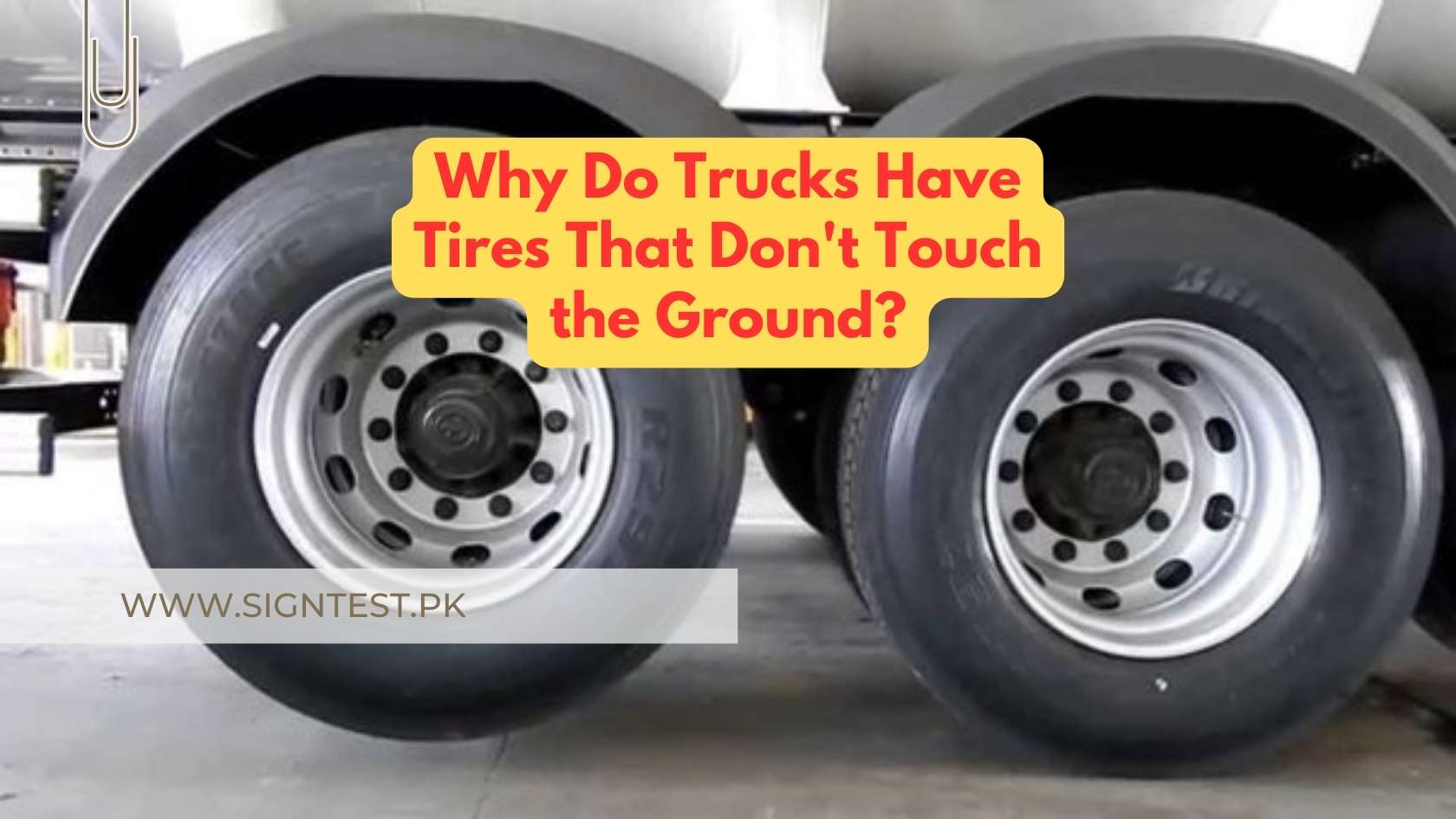
Lift axles, also known as tag axles, are additional axles on a truck that can be raised or lowered as needed. Why do trucks have tires that don’t touch the ground? Lift axles are used to manage weight distribution and improve fuel efficiency when the truck is not fully loaded.
Key Points:
- Functionality: Lift axles can be raised when not needed and lowered to distribute weight when carrying heavy loads.
- Mechanism: They use the truck’s air system to raise and lower the tires.
Weight Distribution and Fuel Efficiency
Why do trucks have tires that don’t touch the ground? One of the primary reasons is to manage weight distribution and improve fuel efficiency. When a truck is empty or lightly loaded, using all axles increases fuel consumption.
Weight Distribution:
- Loaded Trucks: When fully loaded, all axles are needed to distribute the weight evenly.
- Empty Trucks: When empty, lifting some axles reduces rolling resistance and saves fuel.
Fuel Efficiency:
- Reduced Resistance: Fewer tires on the ground means less rolling resistance and improved fuel efficiency.
- Less Wear and Tear: Reduces wear on tires and suspension components, leading to lower maintenance costs.
Regulations and Weight Limits
Understanding why do trucks have tires that don’t touch the ground also involves knowing the regulations and weight limits imposed on trucks. These regulations dictate how much weight each axle can carry.
Key Regulations:
- Axle Weight Limits: In the US, a non-steer axle is allowed up to 20,000 lbs, and a tandem axle set can carry up to 34,000 lbs.
- Total Weight Limits: Trucks must adhere to these limits to avoid fines and ensure road safety.
Benefits of Lift Axles
Why do trucks have tires that don’t touch the ground? The benefits of lift axles extend beyond just fuel efficiency and weight distribution.
Key Benefits:
- Improved Maneuverability: Lifted axles reduce the truck’s turning radius, making it easier to maneuver in tight spaces.
- Increased Payload Capacity: Allows trucks to carry heavier loads when needed by lowering the axles.
- Cost Savings: Reduces fuel and maintenance costs by lifting unnecessary axles when the truck is empty.
Types of Trucks Using Lift Axles
Not all trucks use lift axles. Why do trucks have tires that don’t touch the ground? It depends on the type of truck and its usage.
Common Types:
- Long-Haul Trucks: Often use lift axles to maximize fuel efficiency on long trips.
- Dump Trucks: Use lift axles to handle varying load weights and improve maneuverability.
- Construction Trucks: Benefit from lift axles when carrying heavy equipment or materials.
Installation and Costs
Why do trucks have tires that don’t touch the ground? The decision to use lift axles can also be influenced by installation and cost considerations.
Installation:
- New Trucks: Ordering new trucks with lift axles is cost-effective and offers long-term savings.
- Retrofit: Retrofitting existing trucks with lift axles can be expensive and may not always be worth the investment.
Costs:
- Initial Investment: While there is an initial cost, the long-term savings in fuel and maintenance often justify the expense.
- Operational Savings: Lift axles reduce operational costs by improving fuel efficiency and reducing wear on tires.
Conclusion
Why do trucks have tires that don’t touch the ground? Lift axles provide a versatile solution for managing weight distribution, improving fuel efficiency, and reducing wear and tear on trucks. By understanding the benefits and applications of lift axles, it’s clear why they are a valuable addition to many types of trucks.
FAQs
Why they don’t touch the ground?
Trucks use lift axles to manage weight distribution and improve fuel efficiency by reducing the number of tires in contact with the ground when not fully loaded.
How do lift axles work?
Lift axles use the truck’s air system to raise or lower the tires, allowing for flexible weight management and improved fuel efficiency.
What are the benefits of lift axles?
Benefits include improved maneuverability, increased payload capacity, reduced fuel consumption, and lower maintenance costs.
Are lift axles used on all trucks?
No, lift axles are typically used on long-haul trucks, dump trucks, and construction trucks, depending on their load requirements and operational needs.
How do lift axles affect fuel efficiency?
By reducing rolling resistance when the truck is empty or lightly loaded, lift axles help improve fuel efficiency.
What are the weight limits for truck axles in the US?
A non-steer axle is allowed up to 20,000 lbs, and a tandem axle set can carry up to 34,000 lbs, according to US regulations.
Can lift axles be retrofitted to existing trucks?
Yes, but retrofitting can be expensive and may not always provide a cost-effective solution compared to ordering new trucks with lift axles.
Why is weight distribution important for trucks?
Proper weight distribution prevents excessive wear on tires and suspension, ensures compliance with regulations, and improves overall vehicle stability and safety.
How do lift axles improve maneuverability?
By lifting some axles, the truck’s turning radius is reduced, making it easier to navigate tight spaces.
What types of trucks benefit most from lift axles?
Long-haul trucks, dump trucks, and construction trucks often benefit from the flexibility and efficiency offered by lift axles.