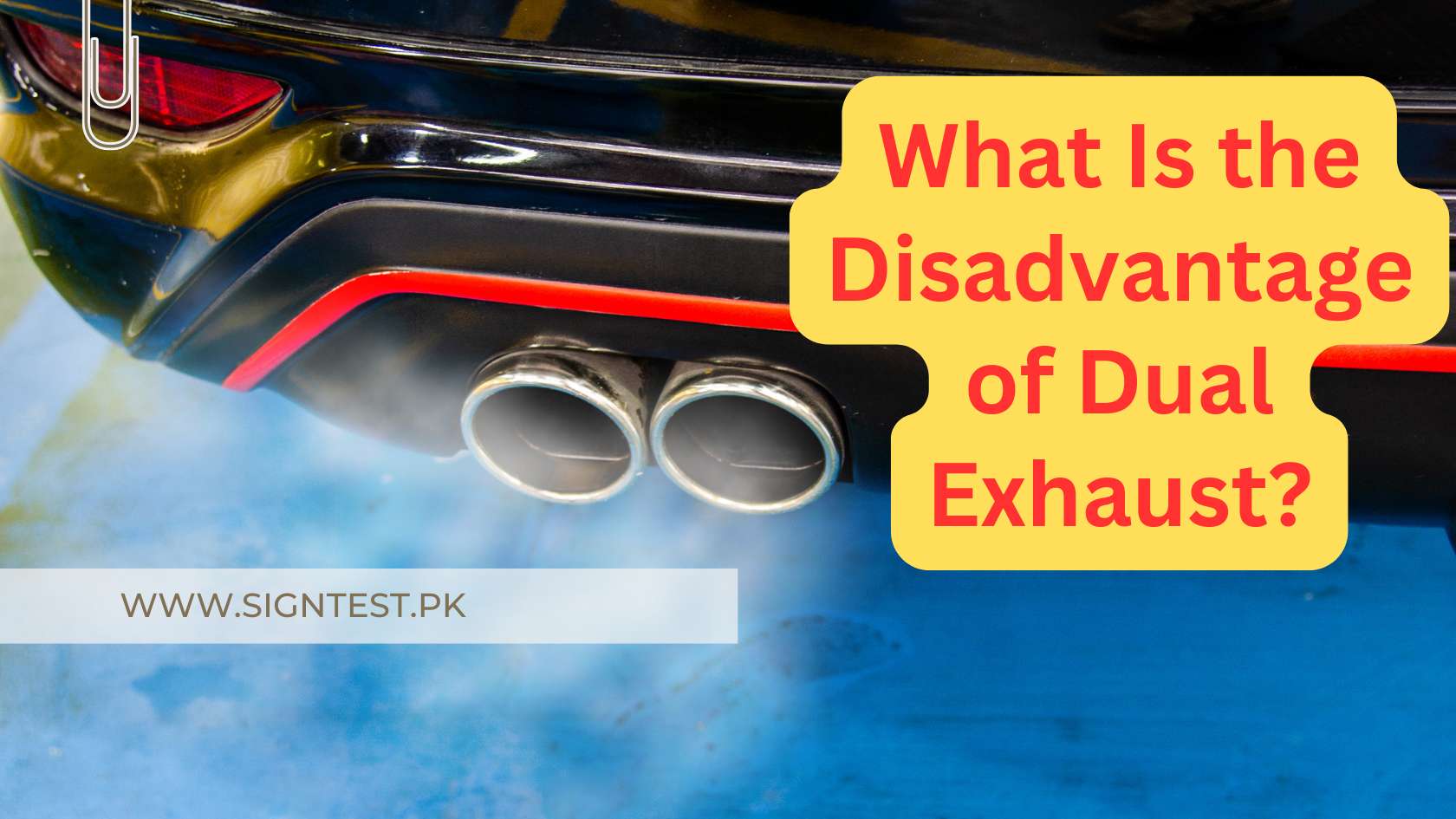
What Is the Disadvantage of Dual Exhaust:
Table of Contents
- Introduction
- Increased Cost and Complexity
- Added Weight
- Potential for Faster Rusting
- Overkill for Everyday Vehicles
- Limited Performance Gains in Non-Sports Cars
- Conclusion
- FAQs
Introduction
When discussing car exhaust systems, a common question arises: what is the disadvantage of dual exhaust? While dual exhaust systems are often associated with high-performance vehicles and increased engine efficiency, they come with several drawbacks, particularly for everyday cars. This article will explore the disadvantages of dual exhaust systems, helping you decide if this feature is right for your vehicle.
Increased Cost and Complexity
One of the primary answers to what is the disadvantage of dual exhaust is the increased cost and complexity associated with these systems. Dual exhausts require additional materials, such as extra pipes and sensors, which can drive up the manufacturing cost of the vehicle.
Cost Implications:
- Higher Manufacturing Costs: The extra components needed for a dual exhaust system make the vehicle more expensive to produce. This cost is often passed on to the consumer, making cars with dual exhaust systems pricier than their single exhaust counterparts.
- Increased Repair Costs: More parts mean more potential points of failure, which can lead to higher repair costs over the life of the vehicle.
For budget-conscious buyers, the added expense of a dual exhaust system may not justify the benefits, especially if the car is not designed for high-performance driving.
Added Weight
Another consideration when asking what is the disadvantage of dual exhaust is the added weight that comes with installing a second exhaust pipe. Although this weight increase might be minimal, it can still impact the overall performance and efficiency of the vehicle.
Weight Concerns:
- Impact on Fuel Efficiency: Additional weight can reduce the fuel efficiency of the vehicle, which is a critical factor for many drivers, especially those looking to maximize their miles per gallon.
- Effect on Handling: While the impact on handling may be slight, added weight can influence the vehicle’s balance and agility, particularly in smaller cars.
For most drivers, the marginal performance gains from a dual exhaust system do not outweigh the potential drawbacks of increased weight.
Potential for Faster Rusting
A significant concern when considering what is the disadvantage of dual exhaust is the increased potential for rusting. Dual exhaust systems are more prone to moisture accumulation, which can lead to faster corrosion.
Rust Issues:
- Moisture Build-up: Because dual exhaust systems do not reach the same high temperatures as single exhausts, they are more likely to retain moisture, which accelerates rusting.
- Higher Maintenance Needs: Owners of vehicles with dual exhaust systems may need to be more vigilant about maintenance and rust prevention, leading to increased time and expense.
For those living in climates with high humidity or where road salt is commonly used, the faster rusting of a dual exhaust system can be a significant disadvantage.
Overkill for Everyday Vehicles
When considering what is the disadvantage of dual exhaust, it’s essential to recognize that for most everyday vehicles, a dual exhaust system may simply be overkill.
Practicality Concerns:
- Unnecessary Complexity: For the average driver, who uses their vehicle for commuting and general transportation, the added complexity of a dual exhaust system offers little to no tangible benefits.
- Increased Cost with Minimal Gain: For non-performance vehicles, the slight improvements in power or sound do not justify the added cost and complexity of a dual exhaust system.
In everyday driving scenarios, the advantages of a dual exhaust system are often negligible, making it an unnecessary feature for most vehicles.
Limited Performance Gains in Non-Sports Cars
Finally, when exploring what is the disadvantage of dual exhaust, it’s important to note that the performance gains are often limited in non-sports cars. Dual exhaust systems are designed to optimize engine output, which is beneficial for high-performance vehicles but not necessarily for standard cars.
Performance Considerations:
- Minimal Power Increase: In many non-sports cars, the power increase from a dual exhaust system is minimal and may not be noticeable in everyday driving.
- Marginal Sound Improvement: While a dual exhaust can create a more aggressive exhaust note, this may not be desirable or necessary for all drivers.
For vehicles not designed for high-speed or performance driving, the benefits of a dual exhaust system are often outweighed by the drawbacks.
Conclusion
So, what is the disadvantage of dual exhaust? While dual exhaust systems can offer performance benefits in high-powered sports cars, they come with several drawbacks for everyday vehicles, including increased cost, added weight, faster rusting, and limited performance gains. For most drivers, a single exhaust system is more than sufficient, providing the necessary functionality without the added complexity and expense. When deciding whether to opt for a dual exhaust system, it’s essential to weigh these disadvantages against any potential benefits.
FAQs
What is the disadvantage of dual exhaust in terms of cost?
Dual exhaust systems are more expensive to manufacture and maintain, which can lead to higher purchase and repair costs.
Does dual exhaust add significant weight to the vehicle?
Yes, dual exhaust systems add some weight to the vehicle, which can slightly impact fuel efficiency and handling.
Why are dual exhaust systems more prone to rusting?
Dual exhaust systems often retain more moisture due to lower operating temperatures, making them more susceptible to rust.
Are dual exhaust systems necessary for everyday cars?
For most everyday vehicles, dual exhaust systems offer minimal benefits and are often considered overkill.
Do dual exhaust systems provide significant performance gains?
In non-sports cars, the performance gains from a dual exhaust system are typically minimal and may not justify the added cost and complexity.
