Is It Better to Drive in Heels or Barefoot:
Table of Contents
- Introduction
- The Challenges of Driving in Heels
- Is It Better to Drive Barefoot?
- Safety Concerns: Barefoot vs. Heels
- Legal Considerations
- Expert Recommendations for Safe Driving Footwear
- Conclusion
- FAQs
Introduction
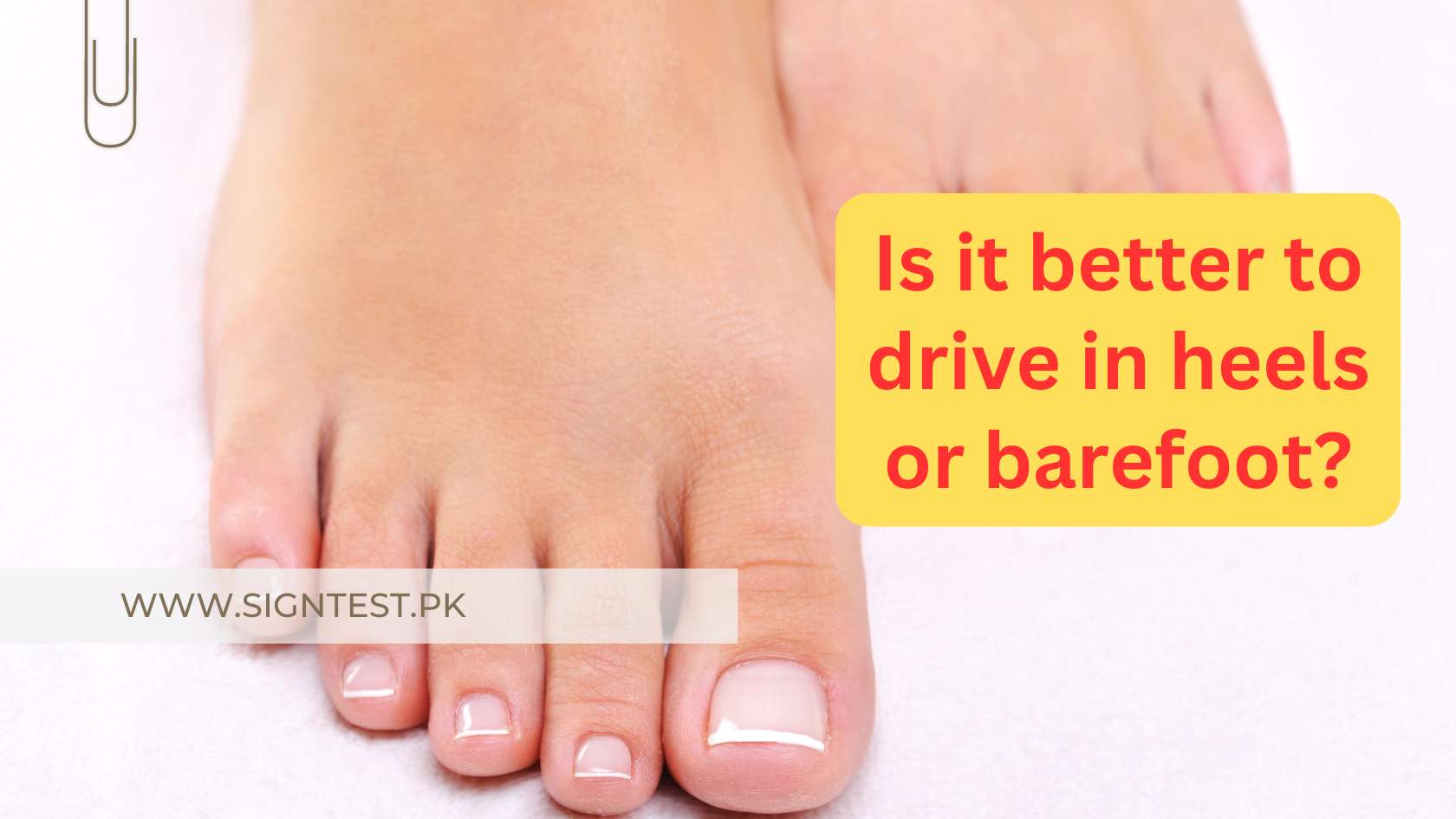
A common question many drivers face is, is it better to drive in heels or barefoot? Footwear plays a significant role in driving safety and control. While some drivers prefer the convenience of keeping their heels on, others find driving barefoot to be more comfortable. In this article, we’ll explore the pros and cons of driving in heels versus driving barefoot and discuss which option is safer and more practical.
The Challenges of Driving in Heels
When considering is it better to drive in heels or barefoot, it’s important to understand the challenges that come with driving in heels. High heels are designed for fashion, not functionality, especially when it comes to operating a vehicle.
Problems with Driving in Heels:
- Limited Pedal Control: High heels elevate your feet, which can make it difficult to apply the necessary pressure to the pedals. This can lead to delayed reactions, especially in emergency situations.
- Slippage Risk: The narrow base of most heels can easily slip off the pedals, especially if they have a smooth or narrow surface.
- Discomfort: The angle at which your foot is positioned in heels can cause discomfort or cramping, making it harder to maintain steady pressure on the pedals.
Given these challenges, driving in heels can lead to a lack of control and increased risk of accidents.
Is It Better to Drive Barefoot?
So, is it better to drive in heels or barefoot? Many drivers find driving barefoot offers greater control and comfort compared to heels. However, barefoot driving also has its own set of risks.
Benefits of Barefoot Driving:
- Better Pedal Sensitivity: Driving barefoot allows you to feel the pedals directly, giving you better control over the amount of pressure applied.
- No Slippage: Unlike heels, which can slip off the pedals, driving barefoot ensures your foot maintains full contact with the pedals.
- Comfort: Without the constraints of footwear, your feet can move more naturally, making long drives more comfortable.
However, driving barefoot can expose you to hazards like cuts or abrasions if there are sharp objects on the floor of the vehicle.
Safety Concerns: Barefoot vs. Heels
When asking is it better to drive in heels or barefoot, safety is the most important factor to consider. Both driving in heels and driving barefoot have potential safety risks that need to be weighed carefully.
Safety Risks of Heels:
- Slipping Off the Pedal: The small surface area of heels increases the risk of your foot slipping off the pedal during braking or accelerating, which could lead to accidents.
- Delayed Response: The elevated position of the foot in heels can reduce your ability to react quickly, especially in emergency situations.
- Restricted Movement: High heels can restrict your foot’s range of motion, limiting your ability to transition smoothly between the brake and accelerator.
Safety Risks of Barefoot Driving:
- Lack of Grip: While barefoot driving improves pedal sensitivity, it can also reduce the grip, particularly if your feet are wet or sweaty, leading to slippage.
- No Protection: Driving barefoot offers no protection for your feet in case of an accident or if the pedals have rough edges, which can cause injury.
Both options have their risks, but driving barefoot is often considered safer than driving in heels due to the increased control it offers.
Legal Considerations
Another important aspect of the question is it better to drive in heels or barefoot is whether either option is legal. In most countries and states, there are no specific laws that prohibit driving either barefoot or in heels. However, if your footwear choice contributes to careless driving, you may face penalties.
Key Legal Points:
- No Direct Laws: Most places do not have laws specifically banning barefoot or heels driving.
- Careless Driving Charges: If your footwear choice leads to unsafe driving or an accident, you could be charged with careless driving or face liability issues.
It’s essential to ensure that your footwear, whether heels or barefoot, doesn’t impair your ability to drive safely.
Expert Recommendations for Safe Driving Footwear
In answering is it better to drive in heels or barefoot, many driving experts recommend wearing appropriate footwear that provides both safety and control.
Recommended Footwear:
- Flat, Closed-Toe Shoes: Shoes with flat, grippy soles are ideal for driving as they offer both comfort and control over the pedals.
- Driving Shoes: Some drivers keep a pair of dedicated driving shoes in their car to switch into before driving, ensuring maximum control and safety.
- Avoid Loose or Heavy Shoes: Shoes that are bulky, heavy, or loose-fitting can be just as dangerous as heels, as they can reduce your ability to feel the pedals.
Switching into safe footwear before driving can significantly improve your driving experience and reduce the risk of accidents.
Conclusion
So, is it better to drive in heels or barefoot? While neither option is perfect, driving barefoot is generally considered safer than driving in heels. Heels can limit your control over the pedals, increase the risk of slipping, and delay reaction times. Barefoot driving offers better pedal sensitivity and control, but it still carries risks such as lack of protection. For the safest driving experience, it’s best to wear flat, closed-toe shoes that provide grip and comfort. If you frequently drive in heels, consider keeping a pair of dedicated driving shoes in your vehicle to ensure both safety and practicality.
FAQs
Is it better to drive in heels or barefoot?
Driving barefoot is generally safer than driving in heels, as it offers better pedal control and reduces the risk of slipping.
Can driving in heels cause accidents?
Yes, driving in heels can cause accidents due to the limited pedal control, slippage risk, and delayed reaction times associated with high heels.
Is it illegal to drive barefoot?
In most places, driving barefoot is not illegal, but it’s essential to ensure that you maintain full control of the vehicle at all times.
What is the safest type of footwear for driving?
Flat, closed-toe shoes with a good grip on the soles are the safest type of footwear for driving, offering comfort and control over the pedals.
Should I keep a pair of driving shoes in my car?
Yes, keeping a pair of dedicated driving shoes in your car is a good idea, especially if you frequently wear heels or other inappropriate footwear.
