

How Driving Simulator is Revolutionizing Road Safety Training
Table of Contents
- Introduction
- What Is a Driving Simulator?
- Launch of the Simulator in Rawalpindi
- Benefits for New and Experienced Drivers
- Features That Improve Road Safety
- Legal Relevance Under Traffic Laws
- CTO Beenish Fatima’s Vision
- Community Feedback and Future Plans
- Conclusion
- FAQs
1. Introduction
With growing traffic congestion and increasing accident rates, improving driver training has become a national priority. Rawalpindi has taken a major leap forward by introducing a state-of-the-art driving simulator, a modern solution aimed at revolutionizing road safety training. This initiative ensures that new drivers are better prepared before they hit the roads.
2. What Is a Driving Simulator?
A driving simulator is a virtual training system that replicates real-life driving conditions in a controlled environment. It provides:
- Realistic visuals of roads, traffic signals, and weather
- Vehicle controls including steering, gears, and brakes
- Emergency scenario training
It helps learners understand how to react in challenging traffic situations without actual road risks.
3. Launch of the Simulator in Rawalpindi
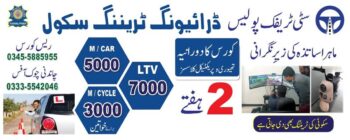
Under the leadership of Chief Traffic Officer (CTO) Beenish Fatima, the simulator was recently launched at the Driving Training School of City Traffic Police Rawalpindi. The facility was inaugurated with the goal of offering modernized and safe driving education.
4. Benefits for New and Experienced Drivers
The driving simulator serves various categories of drivers:
- Beginners can practice without fear of real-world accidents
- Experienced drivers can refresh their skills and adapt to new traffic rules
- Commercial vehicle drivers can simulate long-distance or night driving
Such practice significantly reduces the chances of human error and prepares drivers for real challenges.
5. Features That Improve Road Safety
Some key simulator features include:
- Training on lane discipline, speed control, and sudden stops
- Real-time feedback on mistakes
- High-risk scenario testing such as fog, rain, or tire burst
This helps trainees follow traffic laws better, including:
- Section 3: Mandatory licensing for drivers
- Section 89-A: Helmet use and safety gear
- Section 98: Prevention of reckless driving【34†source】
6. Legal Relevance Under Traffic Laws
Under the Provincial Motor Vehicles Ordinance, 1965, proper driver training is a legal requirement for licensing. The simulator aligns with:
- Section 7: Driving test requirement
- Rule 8 of the Motor Vehicles Rules, 1969: Training syllabus
The simulator is thus not only an educational tool but also a legal aid to learners.
7. CTO Beenish Fatima’s Vision
CTO Beenish Fatima believes that real change starts with modern education tools. Her leadership emphasizes:
- Safety-first driving culture
- Youth-focused awareness programs
- Incorporation of technology in law enforcement and training
She stated, “The simulator is a milestone in making Rawalpindi’s roads safer.”
8. Community Feedback and Future Plans
Initial response from trainees and instructors is very positive. Future expansions may include:
- Simulators at additional license centers
- Mobile simulator units for schools
- Integration with driving license testing
It sets a model for other districts in Punjab.
9. Conclusion
Rawalpindi’s driving simulator is not just a machine—it’s a movement toward smarter, safer roads. By preparing drivers more effectively, it addresses the root causes of many traffic violations and accidents. With CTO Beenish Fatima’s leadership and community support, Rawalpindi is leading the way in road safety innovation.
10. FAQs
Q1: Who can access the driving simulator in Rawalpindi?
Anyone enrolled in the official driving training program.
Q2: Is simulator training mandatory for licensing?
Not yet, but it is highly recommended and may become a formal requirement.
Q3: Does simulator training reduce traffic accidents?
Yes, by improving reaction time and road behavior without actual risk.
Q4: Can experienced drivers also benefit from it?
Absolutely. It helps refresh skills and adapt to changing road rules.
Q5: Where is the simulator located?
At the Driving Training School of City Traffic Police Rawalpindi.