
Should I Put a Seatbelt on My Dog:
Table of Contents
- Introduction
- The Importance of Dog Seatbelts
- Risks of Unrestrained Dogs in Vehicles
- Benefits of Dog Seatbelt Harnesses
- Choosing the Right Dog Seatbelt
- How to Properly Use a Dog Seatbelt Harness
- Common Misconceptions
- Conclusion
- FAQs
Introduction
For many pet owners, dogs are part of the family, and their safety is just as important as that of human passengers. Should I put a seatbelt on my dog? This article explores the reasons for restraining your dog in the car, the risks of not doing so, and the benefits of using a dog seatbelt harness.
The Importance of Dog Seatbelts
Should I put a seatbelt on my dog? Absolutely. Using a dog seatbelt harness is crucial for ensuring the safety of your furry friend during car rides.
Key Points:
- Safety First: Just like humans, dogs need protection in case of an accident.
- Legal Requirements: Some places have laws requiring pets to be restrained in vehicles.
Risks of Unrestrained Dogs in Vehicles
Understanding the risks of not restraining your dog can help answer should I put a seatbelt on my dog? Unrestrained dogs face significant dangers during car accidents.
Risks:
- Ejection: Unrestrained dogs can be ejected from the vehicle during a crash, leading to severe injuries or death.
- Injury to Humans: In an accident, an unrestrained dog can become a projectile, causing injuries to human passengers.
- Escape Risk: Unrestrained dogs may dash out of the vehicle if a door is opened, potentially getting lost or hit by oncoming traffic.
Benefits of Dog Seatbelt Harnesses
Should I put a seatbelt on my dog? Yes, using a dog seatbelt harness offers numerous benefits for both the dog and the human passengers.
Benefits:
- Prevents Ejection: Keeps the dog securely in place, preventing ejection during accidents.
- Reduces Injury: The harness absorbs deceleration forces, similar to a human seatbelt, reducing the risk of injury.
- Prevents Distraction: A restrained dog cannot interfere with the driver, reducing the risk of distracted driving.
- Enhances Safety: Restrained dogs are less likely to cause injury to themselves or others during a crash.
Choosing the Right Dog Seatbelt
When considering should I put a seatbelt on my dog, it’s important to choose the right seatbelt harness. Here’s how to select the best one for your pet.
Selection Tips:
- Size and Fit: Ensure the harness fits your dog properly. Do not fasten it too tight.
- Quality and Durability: Choose a harness made from high-quality, durable materials.
- Ease of Use: Harness should be easy while putting it on and off.
- Comfort: Ensure the harness is comfortable for your dog to wear for extended periods.
How to Properly Use a Dog Seatbelt Harness
Knowing how to properly use a dog seatbelt harness is crucial when answering should I put a seatbelt on my dog.
Usage Tips:
- Follow Instructions: Always follow the manufacturer’s instructions for fitting and using the harness.
- Secure Attachment: Attach the harness to the car’s seatbelt system to ensure it is securely fastened.
- Adjust for Comfort: Adjust the harness so that your dog can sit, lie down, and move comfortably within the confined space.
Common Misconceptions
There are several misconceptions about dog seatbelts that can influence whether you think should I put a seatbelt on my dog.
Misconceptions:
- Dogs Don’t Need Restraints: Some people believe that dogs are safer unrestrained, but this is not true.
- Harnesses Are Uncomfortable: Modern harnesses are designed for comfort and do not restrict the dog’s movement unnecessarily.
- Expensive and Unnecessary: Dog seatbelt harnesses are affordable and provide essential safety benefits.
Conclusion
So, should I put a seatbelt on my dog? The clear answer is yes. Using a dog seatbelt harness ensures the safety of your pet and other passengers in the vehicle. By understanding the risks, benefits, and proper use of dog seatbelt harnesses, you can make an informed decision that enhances the safety of every car journey with your furry friend.
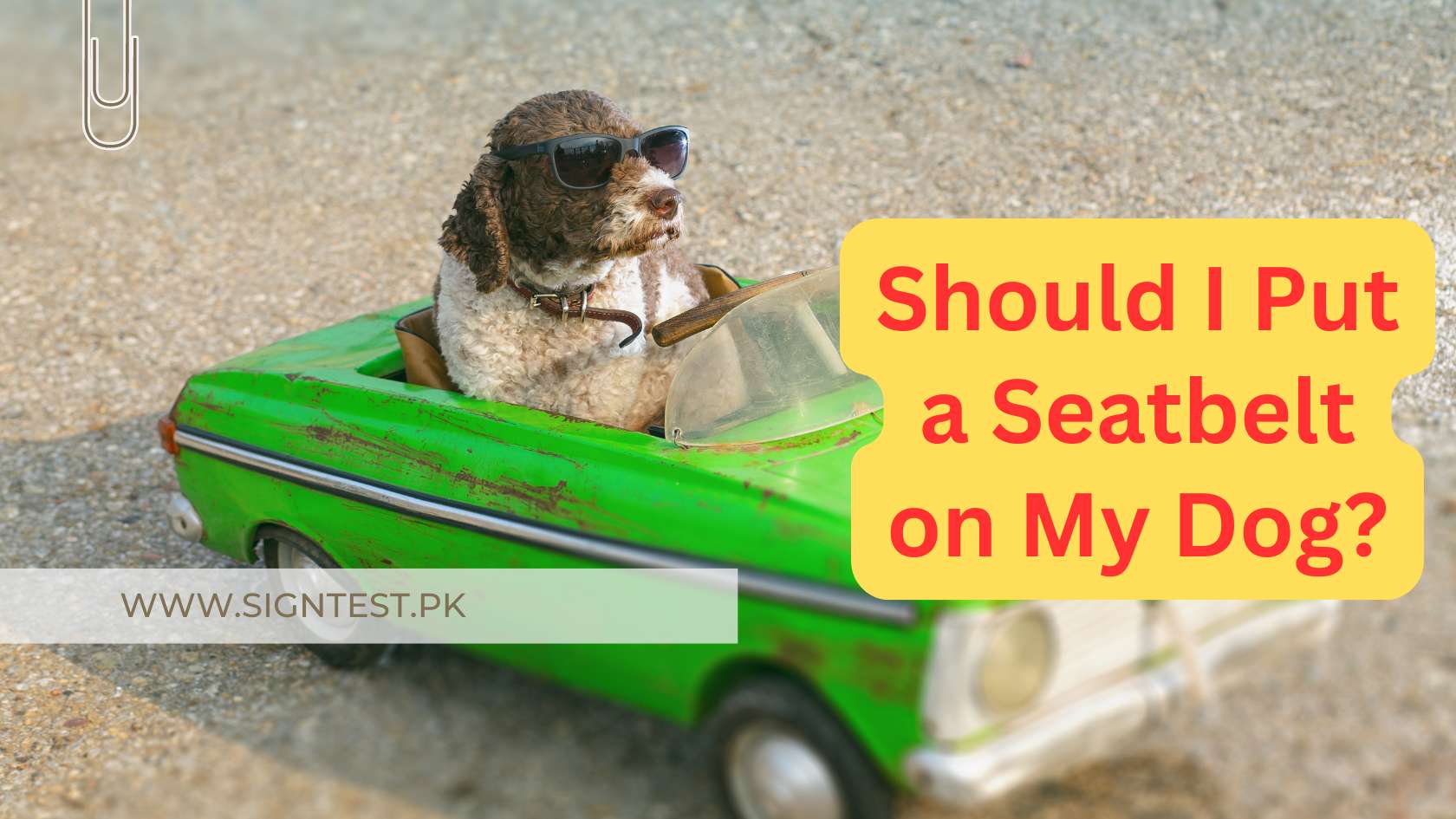
FAQs
Why is it important?
A seatbelt prevents your dog from being ejected or injured in an accident and keeps them from distracting the driver.
What happens if my dog is unrestrained in a car crash?
Unrestrained dogs can be ejected, suffer severe injuries, or cause injuries to human passengers by becoming a projectile.
Are there legal requirements for restraining dogs in cars?
Some regions have laws requiring pets to be restrained in vehicles to ensure their safety and the safety of others.
How do I choose the right seatbelt harness for my dog?
Ensure it fits well, is made of durable materials, is comfortable, and is easy to use.
Can a dog seatbelt harness prevent my dog from escaping the car?
Yes, a harness can keep your dog secure and prevent them from dashing out of the car when a door is opened.
Are dog seatbelt harnesses uncomfortable for dogs?
Modern harnesses are designed to be comfortable and allow dogs to sit, lie down, and move within a confined space.
How does a dog seatbelt harness reduce distractions while driving?
A restrained dog cannot move around the car, reducing the risk of distracting the driver.
What are the risks of using the car’s seatbelt directly on my dog?
Car seatbelts are designed for humans and can injure dogs. A dog-specific harness distributes forces safely.
How often should I check the fit of my dog’s seatbelt harness?
Regularly check the fit to ensure it remains snug and comfortable, especially as your dog grows or changes weight.
Where can I buy a dog seatbelt harness?
Dog seatbelt harnesses are available at pet stores, online retailers, and some automotive accessory stores.