
The Importance of Choosing the Right Driving School
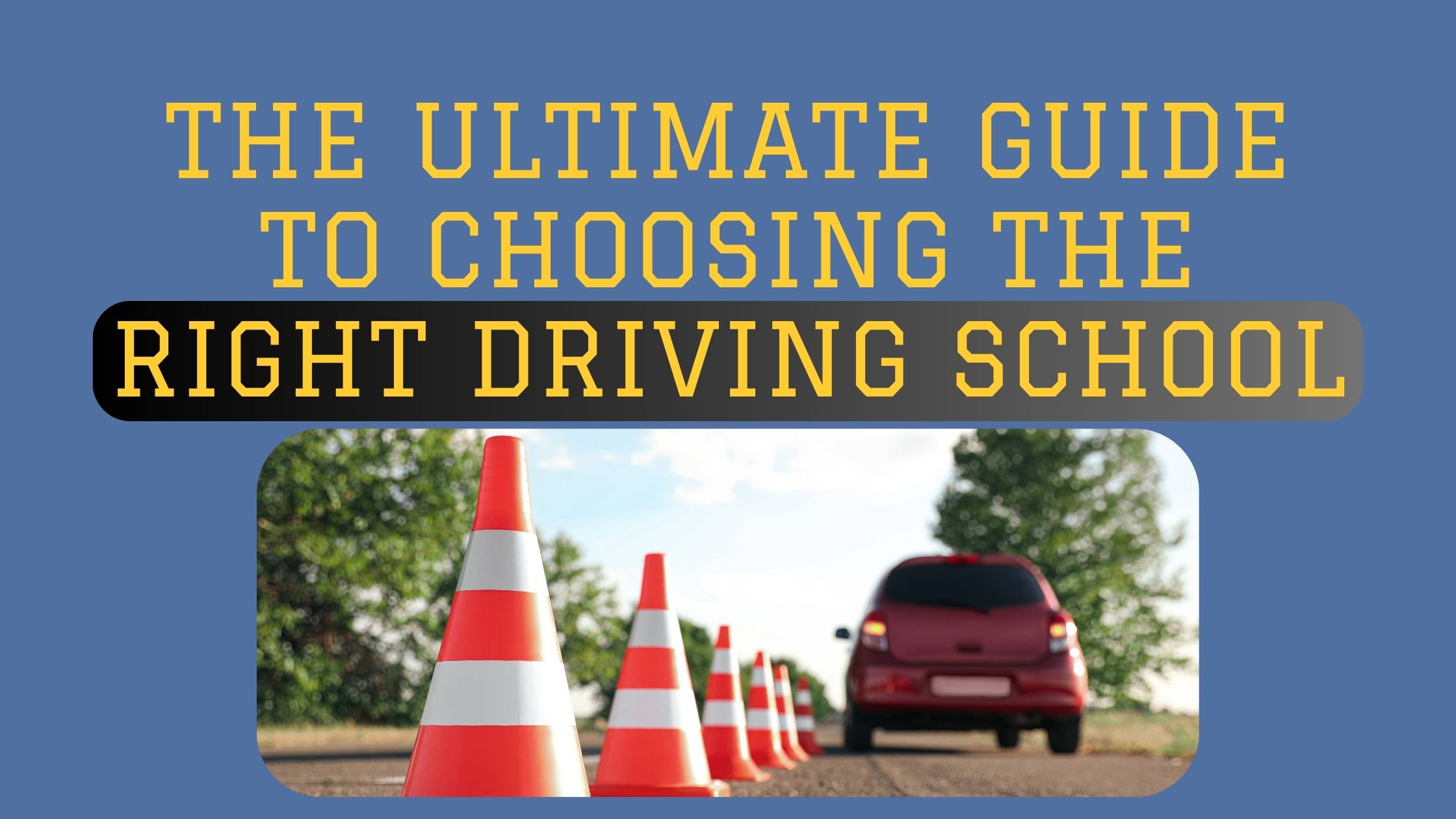
Learning to drive is a crucial life skill that requires proper training and guidance. Selecting the right driving school plays a significant role in ensuring you develop safe driving habits, gain confidence on the road, and pass your driving test successfully.
The Statistics: Why Proper Training Matters
According to global road safety reports, inexperienced and poorly trained drivers contribute significantly to traffic accidents. Studies show that drivers who receive structured training from accredited driving schools are less likely to be involved in accidents compared to those trained informally. Additionally, well-trained drivers often benefit from lower insurance premiums, as they are considered lower-risk policyholders.
The Risks of Choosing the Wrong School
Opting for a subpar driving school can lead to serious consequences:
- Unsafe driving habits due to inadequate training
- Poor preparation for road tests, increasing the likelihood of failing
- Higher insurance premiums due to lack of proper certification
- Increased risk of accidents and traffic violations
Setting Yourself Up for Success
Investing in a reputable and experienced driving school provides you with essential driving skills, boosts your confidence behind the wheel, and ensures compliance with traffic laws. With a well-structured training program, you’ll be equipped to navigate different driving scenarios safely and efficiently.
Key Factors to Consider When Choosing a Driving School
Reputation and Experience
Before enrolling in a driving school, research its reputation and track record:
- Read online reviews on relevant website alongwith the testimonials.
- Check if the school is licensed and accredited by local authorities.
- The instructors should be certified.
Curriculum and Teaching Methods
A comprehensive driving course should include:
- Classroom instruction covering traffic laws and driving theory.
- Behind-the-wheel training to build practical skills.
- Online learning options for added flexibility.
Cost and Flexibility
Compare pricing structures, payment plans, and scheduling options. Some schools offer:
- Weekend or evening classes for working individuals.
- Payment plans to ease financial burdens.
- Discounts for students or military personnel.
In-Depth Look at Driving School Types
Traditional Driving Schools
Pros:
- Structured classroom learning with in-person interaction.
- Hands-on training with certified instructors.
- Instant feedback and guidance during driving lessons.
Cons:
- Fixed schedules may not suit everyone.
- Can be more expensive than online alternatives.
Online Driving Schools
Pros:
- Convenient and self-paced learning.
- Affordable compared to in-person classes.
- Great for theoretical knowledge before practical training.
Cons:
- Limited hands-on driving experience.
- Requires strong self-discipline to complete courses.
Specialty Driving Schools
These schools meets the important needs, such as:
- Defensive Driving Schools: Focused on safe driving techniques and accident prevention.
- Commercial Driver’s License (CDL) Schools: Essential for those seeking professional truck or bus driving licenses.
- Adaptive Driving Schools: Designed for individuals with disabilities, providing customized training and vehicle modifications.
Tips for Choosing the Right Driving School for You
Ask Questions
Before enrolling, inquire about:
- Instructor qualifications and experience.
- Student success rates in passing driving tests.
- The number of hands-on training hours included in the course.
Schedule a Consultation
Visiting a driving school allows you to:
- Meet instructors and assess their teaching style.
- Inspect vehicles used for training.
- Understand the overall learning environment.
Read Reviews and Testimonials
Check online reviews and ask past students about their experiences. Look for:
- High success rates in road tests.
- Positive feedback on instructor professionalism.
- Well-maintained vehicles and training facilities.
Final Thoughts and Call to Action
Driving Safety
Choosing a reputable driving school ensures you receive proper training, reducing your risk of accidents and traffic violations. A well-structured program equips you with essential skills for responsible driving.
Confidence and Preparedness
A high-quality driving course helps build confidence, teaching you defensive driving techniques and road awareness. This preparedness leads to a smoother, stress-free driving experience.
Call to Action
Ready to begin your driving journey? Research and choose a driving school that aligns with your needs, schedule, and budget. Investing in quality training today sets you up for a lifetime of safe and responsible driving.
Recommended Resources
FAQs
1. How do I know if a driving school is reputable? Check online reviews, accreditation, instructor qualifications, and student success rates.
2. Are online driving schools as effective as traditional ones? Online courses are great for theoretical knowledge, but in-person training is essential for hands-on driving experience.
3. How long does it take to complete driving school? The duration varies by program, typically ranging from a few weeks to a couple of months.
4. Can I get a discount on car insurance after completing driving school? Many insurance providers offer discounts to drivers who complete accredited driving courses.
5. What should I bring to my first driving lesson? Carry your learner’s permit, comfortable shoes, and a positive attitude!
- Honda 125 Price in Pakistan 2026 – Rs. 238,500 Verified

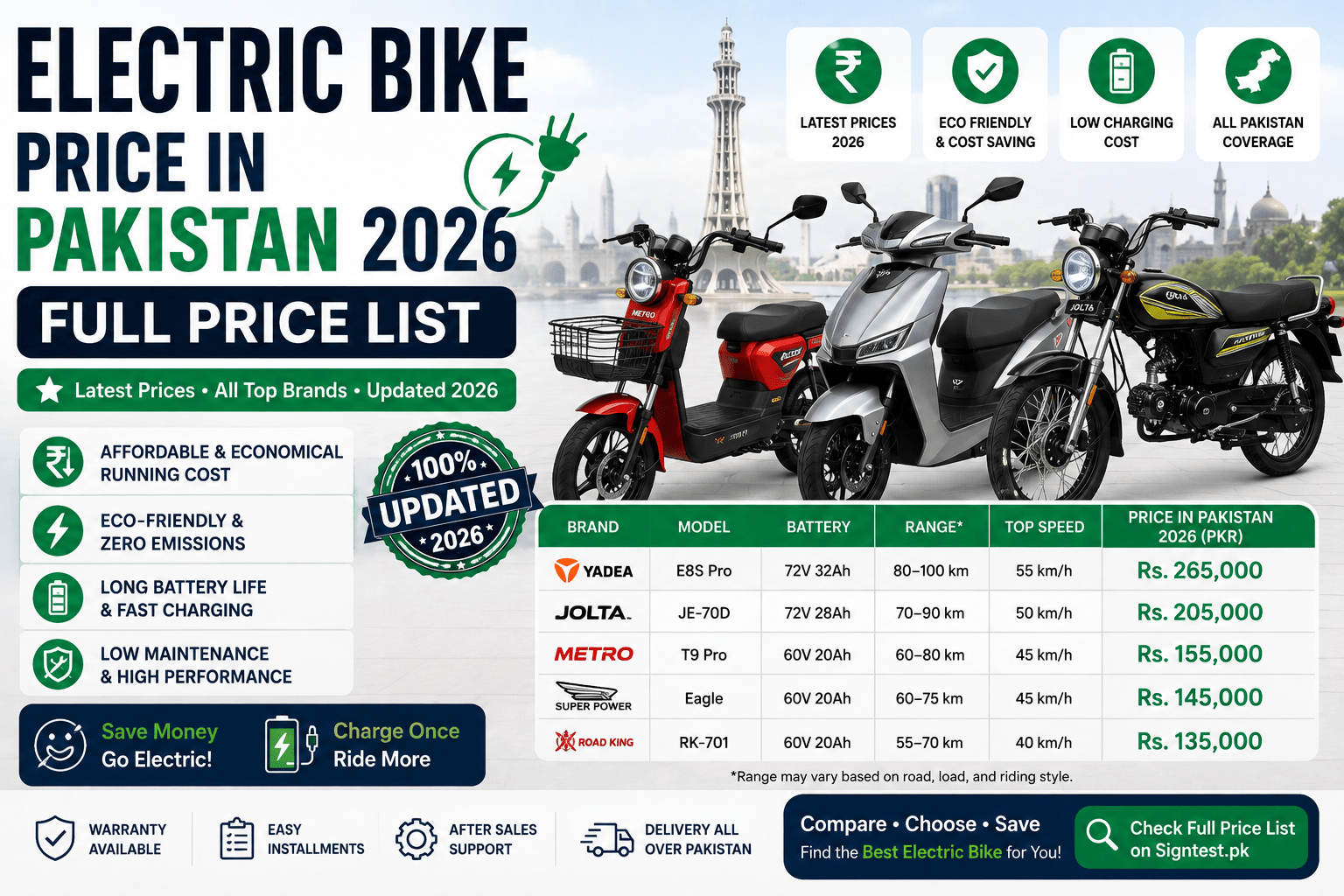
- Electric Bike Price in Pakistan 2026 – Full Price List
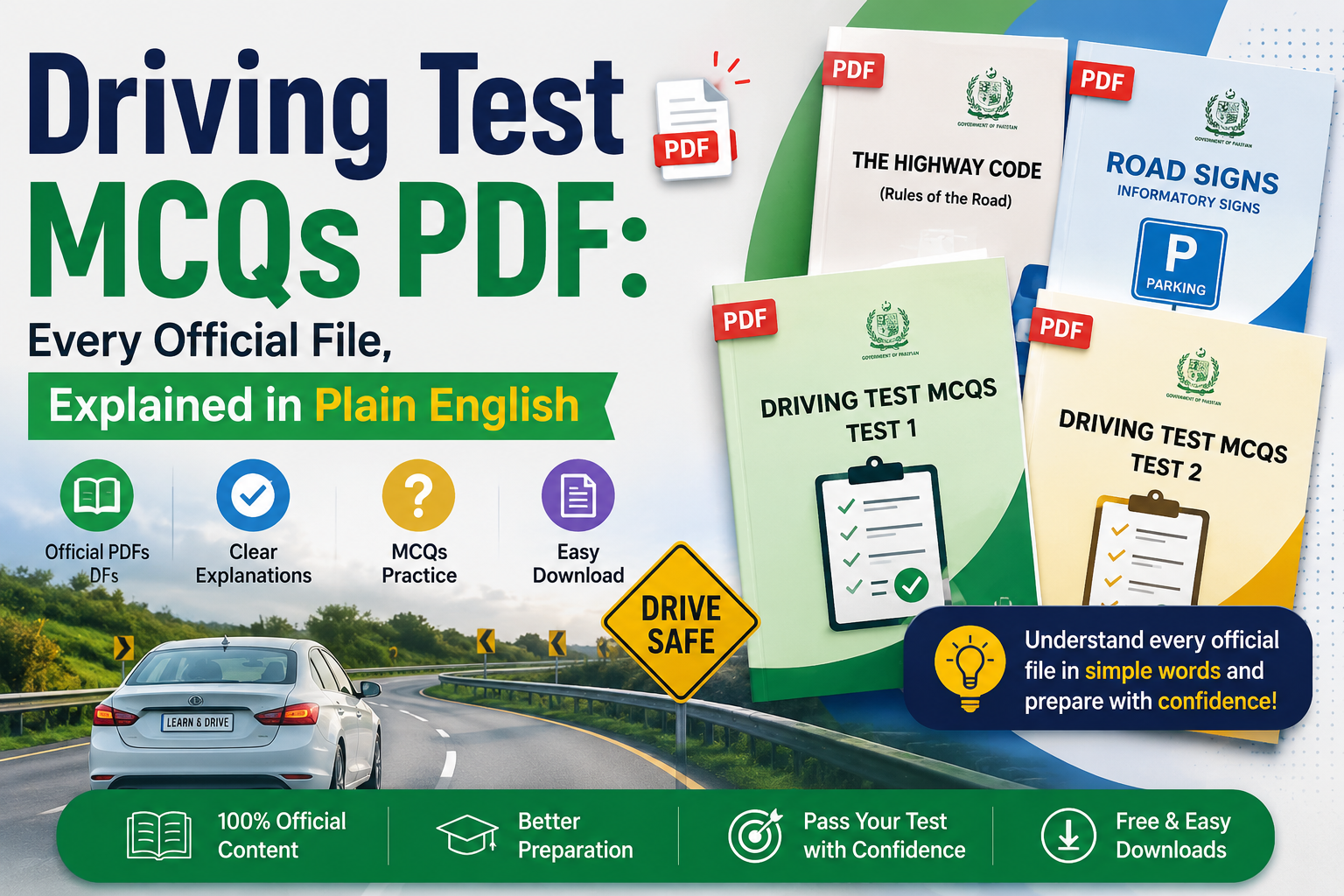
- Driving Test MCQs PDF – Punjab Licence Test Guide
- Driving School Rawalpindi | Traffic Police Courses & Fees

- How to Apply for a Driving License in Pakistan 2026 | DLIMS

- Punjab Introduces Juvenile Driving Permit for Young Riders

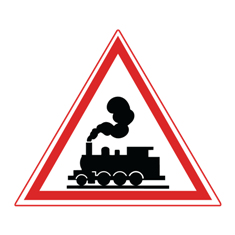
- What Is the Meaning of Railway Crossing?
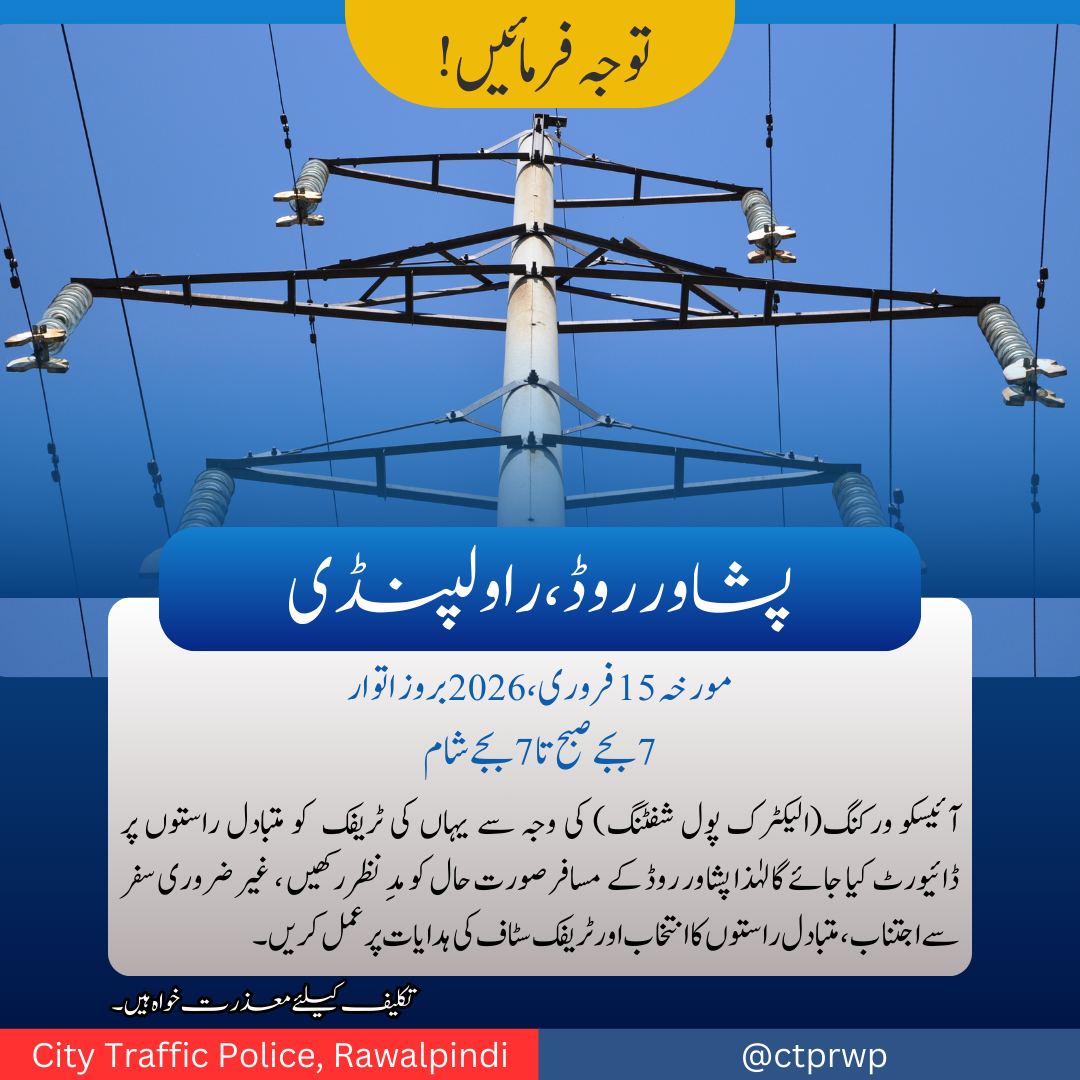
- Major Diversions in Rawalpindi on 15 February 2026
- Pakistan Driving License Verification – Official Websites

- How to Check E-Challan Online in Punjab (Complete Guide)

- If Someone Does Not Accept E-License, What Should You Do?

- Punjab Driving License Verification: Complete Step-by-Step Guide

- Safe City E-Challaning Begins in Rawalpindi: What Residents Need to Know

- Katchery Chowk Closed, Traffic Updates and Emergency Contact

- Upcoming Mega Project: Katchery Chowk Rawalpindi Redevelopment

- Rawalpindi’s Updated Mobile License Van Schedule

- Is Driving in the USA Easy? A 2025 Guide for Tourists and Newcomers

- CTP Rawalpindi Issues Weekly Schedule for Mobile License Van
- City Traffic Police Rawalpindi Launches Daily Public Hour

- Upcoming Week Mobile License Van Schedule Rawalpindi