Introduction
Parking may seem simple—find a spot, pull in, and turn off your engine. However, not every available space is legal or safe for parking. Understanding where you can and cannot park is crucial to avoid fines, towing, or accidents. Let’s explore the rules to help you park with confidence.
Where You CANNOT Park
1. No-Parking Zones and Signs
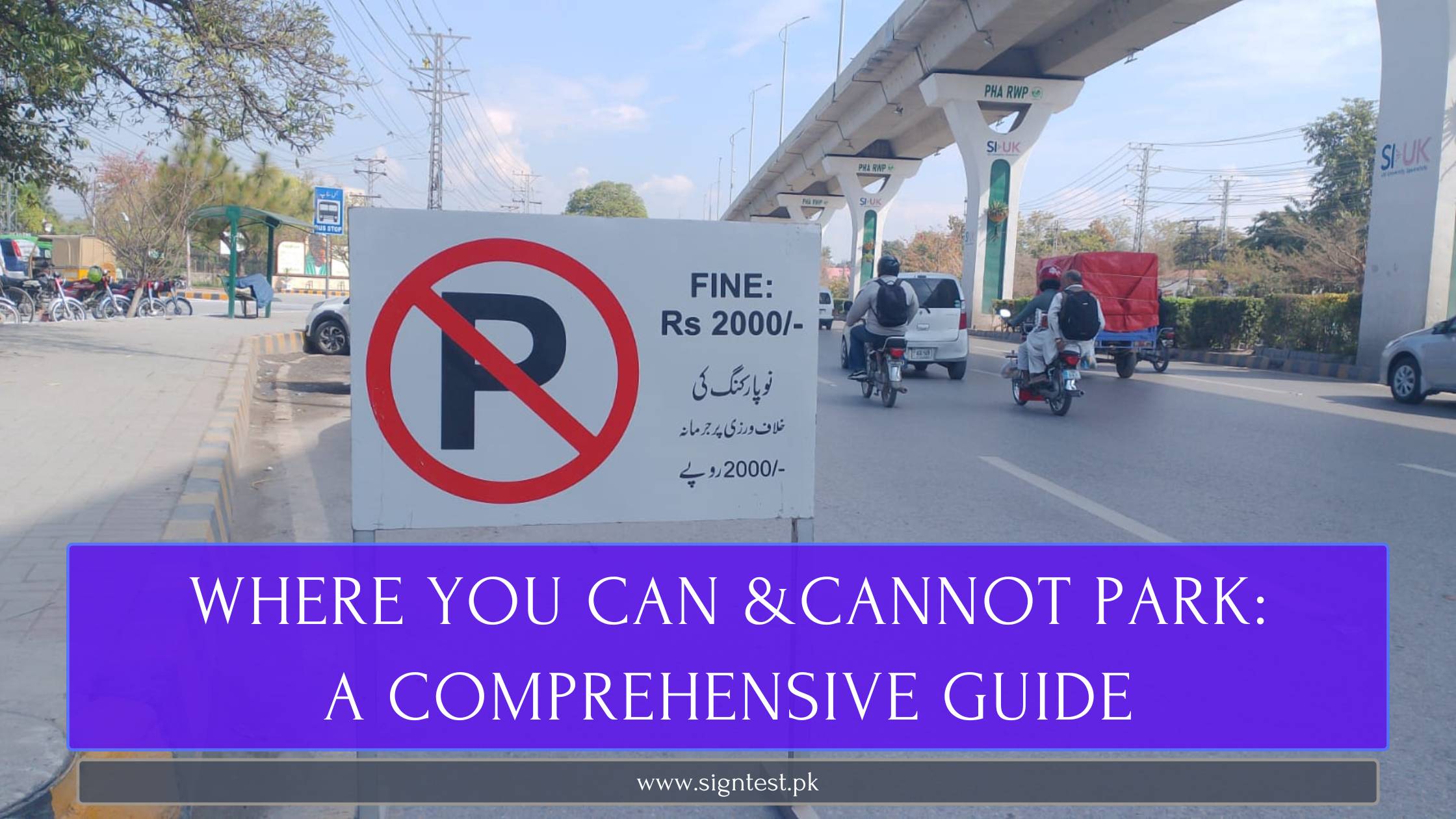
Many areas have No Parking or No Standing signs, which indicate that parking is restricted at all times or during certain hours.
- Red or yellow curbs often signify these restrictions.
- Some locations allow short stops for pick-ups and drop-offs but not extended parking.
Check official parking regulations.
2. Fire Hydrants and Emergency Zones
- It is illegal to park within 15 feet (4.5 meters) of a fire hydrant, as emergency access must be clear at all times.
- Fire lanes and emergency vehicle zones must always remain unobstructed. Learn about fire safety rules.
3. Intersections and Crosswalks
- Parking in an intersection or on a crosswalk is prohibited.
- Many cities require parking to be at least 20 feet away from a crosswalk to ensure pedestrian safety.
Review pedestrian safety laws.
4. Bus Stops and Taxi Stands
- Bus stops are exclusively for buses, and stopping there disrupts public transport.
- Parking in a designated taxi stand is also illegal unless driving a licensed taxi.
5. Driveways and Private Property
- Blocking a driveway is both illegal and inconsiderate.
- Parking on private property without permission may lead to fines or towing.
6. Railroad Tracks and Bridges
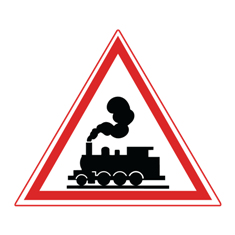
- Parking on or within 50 feet (15 meters) of railroad tracks is extremely dangerous.
- Most bridges, overpasses, and tunnels prohibit parking due to safety concerns.
7. Bike Lanes and Sidewalks
- Parking in bike lanes forces cyclists into traffic, increasing accident risks.
- Parking on sidewalks obstructs pedestrian pathways and is prohibited in most areas.
8. Double Parking
- Parking next to another parked vehicle (double parking) blocks traffic and is illegal in most locations.
9. Handicap Spaces (Without a Permit)
- Handicap parking spaces are reserved strictly for permit holders.
- Unauthorized parking here results in hefty fines and potential towing.
Learn more about handicap parking laws.
10. Near Stop Signs, Traffic Signals, or Yield Signs
- Parking too close to stop signs, traffic lights, or yield signs can obstruct visibility.
- The standard rule is maintaining a 30 feet (9 meters) clearance from these traffic controls.
Where You CAN Park
1. Designated Parking Lots and Garages
- Public parking garages and lots are safe and legal options.
- These areas often have surveillance to prevent theft or damage. Find available parking near you.
2. Street Parking (Where Permitted)
- Always check posted street signs to confirm if parking is allowed.
- In residential areas, ensure you’re not blocking fire hydrants or driveways.
3. Metered Parking Spaces
- Pay attention to parking meters and ensure that time restrictions are followed.
- Some locations have rush hour no-parking rules, so always check signs.
4. Residential and Permit Parking Areas
- Some neighborhoods require a permit for street parking.
- Visitors should check for signs to avoid fines.
5. Parking Near Schools (Outside Restricted Hours)
- Parking may be restricted during school hours but allowed otherwise.
- Be mindful of school buses and crosswalks when parking near schools.
6. Commercial Areas (When Allowed)
- Some businesses allow public parking after business hours.
- Check for tow-away signs before leaving your vehicle.
7. Designated Rest Stops and Pull-Off Areas
- Highway rest stops provide legal and safe parking.
- Avoid stopping on the shoulder of the road unless it’s an emergency.
Final Tips for Safe and Legal Parking
✅ Read parking signs carefully before parking.
✅ Follow time restrictions—some spots allow parking only during specific hours
✅ Stay aware of seasonal rules, such as snow route or street cleaning schedules.
✅ Use public parking lots or metered spaces to avoid unnecessary fines.
✅ Respect private property—do not park without permission.
Understanding where you can and cannot park will help you avoid costly mistakes and ensure a smooth driving experience. Safe and legal parking reduces congestion, prevents accidents, and makes city driving easier for everyone!

SignTest.pk
- Honda 125 Price in Pakistan 2026 – Rs. 238,500 Verified

- Electric Bike Price in Pakistan 2026 – Full Price List

- Driving Test MCQs PDF – Punjab Licence Test Guide
- Driving School Rawalpindi | Traffic Police Courses & Fees

- How to Apply for a Driving License in Pakistan 2026 | DLIMS

- Punjab Introduces Juvenile Driving Permit for Young Riders

- What Is the Meaning of Railway Crossing?
- Major Diversions in Rawalpindi on 15 February 2026

- Pakistan Driving License Verification – Official Websites

- How to Check E-Challan Online in Punjab (Complete Guide)

- If Someone Does Not Accept E-License, What Should You Do?

- Punjab Driving License Verification: Complete Step-by-Step Guide

- Safe City E-Challaning Begins in Rawalpindi: What Residents Need to Know

- Katchery Chowk Closed, Traffic Updates and Emergency Contact

- Upcoming Mega Project: Katchery Chowk Rawalpindi Redevelopment

- Rawalpindi’s Updated Mobile License Van Schedule

- Is Driving in the USA Easy? A 2025 Guide for Tourists and Newcomers

- CTP Rawalpindi Issues Weekly Schedule for Mobile License Van
- City Traffic Police Rawalpindi Launches Daily Public Hour

- Upcoming Week Mobile License Van Schedule Rawalpindi