“Divided Road Ends” Driving Signs and Their Meanings:
Table of Contents
- Introduction to “Divided Road Ends” driving signs and their meanings
- Purpose of the “Divided Road Ends” Sign
- Common Locations for the “Divided Road Ends” Sign
- 7 Essential Guidelines for Navigating “Divided Road Ends” driving signs and their meanings
- 4.1 Recognizing the Sign Early
- 4.2 Understanding Lane Merging Requirements
- 4.3 Reducing Speed Appropriately
- 4.4 Staying Alert to Surrounding Traffic
- 4.5 Avoiding Sudden Lane Changes
- 4.6 Adapting to Changing Road Conditions
- 4.7 Preparing for Potential Hazards
5. Conclusion
6. FAQs
1. Introduction to “Divided Road Ends” driving signs and their meanings
driving signs and their meanings play a critical role in guiding drivers safely through various road conditions. The “Divided Road Ends” sign is one of those crucial signs that alerts drivers to the end of a divided road, indicating that traffic will soon merge. Understanding how to navigate this sign is essential for maintaining road safety and avoiding accidents.
2. Purpose of the “Divided Road Ends” Sign
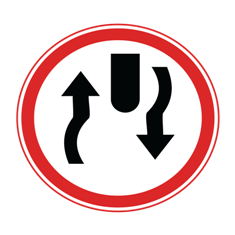
The “Divided Road Ends” sign serves as a warning to drivers that a divided highway or road is about to end. This means that the physical separation between opposing lanes of traffic is coming to a close, and vehicles will need to merge into a single lane or share the road with oncoming traffic. This sign is critical for preventing collisions that could occur if drivers are unprepared for the merging traffic situation.
3. Common Locations for the “Divided Road Ends” Sign
You will commonly encounter the “Divided Road Ends” sign in several situations:
- Highway Exits: When a divided highway transitions into a regular road, this sign warns drivers to prepare for the end of the median.
- Construction Zones: In areas where road construction temporarily ends a divided road, this sign helps guide drivers safely through the transition.
- Merging Lanes: On highways where multiple lanes merge into one, the “Divided Road Ends” sign indicates the point where the separation ends.
4. 7 Essential Guidelines for Navigating “Divided Road Ends” driving signs and their meanings
4.1 Recognizing the Sign Early
One of the most important aspects of safely navigating the “Divided Road Ends” sign is recognizing it early. This allows drivers ample time to prepare for the upcoming road change. Keeping an eye out for this sign, especially when driving on highways or near construction zones, is crucial for ensuring a smooth transition.
4.2 Understanding Lane Merging Requirements
When the “Divided Road Ends” sign appears, it often signals that lanes will need to merge. It’s essential to understand the lane merging requirements ahead of time. Merging should be done smoothly and without sudden movements that could surprise other drivers. Use your indicators to communicate your intentions clearly to surrounding traffic.
4.3 Reducing Speed Appropriately
As you approach the end of a divided road, reducing your speed is critical. Slowing down gives you more control over your vehicle as you merge with traffic from other lanes. It also allows for better reaction time if unexpected situations arise during the transition from a divided to an undivided road.
4.4 Staying Alert to Surrounding Traffic
Staying alert to surrounding traffic is vital when you see the “Divided Road Ends” sign. Pay attention to the movements of vehicles around you, especially those in adjacent lanes. This awareness helps you anticipate the actions of other drivers and avoid potential collisions during the merging process.
4.5 Avoiding Sudden Lane Changes
Sudden lane changes can be dangerous, particularly when approaching the end of a divided road. It’s important to merge gradually and avoid cutting off other vehicles. Sudden movements can confuse other drivers and lead to accidents, especially in high-traffic areas.
4.6 Adapting to Changing Road Conditions
Road conditions may change as a divided road ends. The road may narrow, or traffic patterns may become more complex. Adapting to these changing conditions by staying focused and adjusting your driving accordingly is key to navigating safely.
4.7 Preparing for Potential Hazards
Finally, always be prepared for potential hazards when approaching the end of a divided road. These hazards could include oncoming traffic, obstacles on the road, or even changes in weather conditions that affect visibility and road grip. Being prepared allows you to react quickly and safely to any unexpected situations.
5. Conclusion
Understanding driving signs and their meanings, such as the “Divided Road Ends” sign, is essential for safe driving. These signs are designed to guide drivers through transitions that could otherwise be hazardous. By recognizing the sign early, understanding lane merging requirements, reducing speed, staying alert, avoiding sudden lane changes, adapting to changing road conditions, and preparing for potential hazards, you can navigate the end of a divided road safely and efficiently.
FAQs
Q1: What should I do if I miss the “Divided Road Ends” sign?
A: If you miss the sign, stay calm and carefully adjust your driving as you notice the road conditions changing. Merge safely and reduce your speed.
Q2: Is it always necessary to slow down when a divided road ends?
A: Yes, slowing down is generally recommended to ensure a safe transition, especially when lanes are merging or road conditions are changing.
Q3: Are there legal consequences for not following the instructions of a “Divided Road Ends” sign?
A: Yes, failing to adhere to this sign can lead to fines, and in the event of an accident, more severe legal consequences could apply.
