“Straight or Right Turn Only” Driving Signs and Their Meanings:
Table of Contents
- Introduction to “Straight or Right Turn Only” driving signs and their meanings
- Understanding the Purpose of the Sign
- Common Locations for the “Straight or Right Turn Only” Sign
- 6 Critical Points to Remember About “Straight or Right Turn Only” driving signs and their meanings
- 4.1 Recognizing the Sign in Time
- 4.2 Knowing Which Lanes are Affected
- 4.3 Avoiding Last-Minute Lane Changes
- 4.4 The Importance of Signaling Early
- 4.5 Adapting to Traffic Flow
- 4.6 Understanding the Legal Implications of Ignoring the Sign
5. Conclusion
6. FAQs
1. Introduction to “Straight or Right Turn Only” driving signs and their meanings
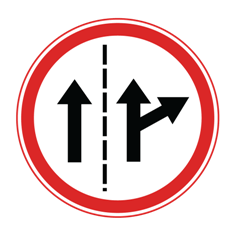
driving signs and their meanings are essential for maintaining road safety and ensuring smooth traffic flow. One of the key signs that drivers encounter, especially at intersections, is the “Straight or Right Turn Only” sign. This sign dictates the permissible directions for vehicles in a specific lane, guiding drivers to either proceed straight or make a right turn.
2. Understanding the Purpose of the Sign
The “Straight or Right Turn Only” sign serves to organize traffic at intersections by clearly indicating which lanes are designated for going straight or turning right. This helps prevent confusion and reduces the likelihood of accidents by ensuring that vehicles follow the correct paths. It also aids in maintaining a smooth traffic flow, particularly in busy urban areas where multiple lanes converge.
3. Common Locations for the “Straight or Right Turn Only” Sign
You will typically find the “Straight or Right Turn Only” sign at intersections, especially where multiple lanes are present. These signs are commonly used in urban areas, near highways, and at junctions where traffic patterns need to be controlled to avoid congestion and accidents.
4. 6 Critical Points to Remember About “Straight or Right Turn Only” driving signs and their meanings
4.1 Recognizing the Sign in Time
One of the most important aspects of following the “Straight or Right Turn Only” sign is recognizing it in time. Drivers should be vigilant when approaching intersections and look out for this sign well in advance. Early recognition allows drivers to position their vehicle correctly and prepare for the appropriate maneuver, whether that’s continuing straight or making a right turn.
4.2 Knowing Which Lanes are Affected
Understanding which lanes are affected by the “Straight or Right Turn Only” sign is crucial. Typically, the sign is placed above or beside the lanes it applies to, with arrows indicating the permitted directions. Drivers must ensure they are in the correct lane based on their intended direction of travel. Ignoring this can lead to sudden, unsafe lane changes or cause confusion for other drivers.
4.3 Avoiding Last-Minute Lane Changes
Last-minute lane changes are a common cause of accidents, particularly at busy intersections. To avoid this, drivers should make sure they are in the correct lane well before reaching the intersection. Following the “Straight or Right Turn Only” sign early on helps prevent the need for sudden, potentially dangerous lane shifts.
4.4 The Importance of Signaling Early
Signaling early is another critical point when following the “Straight or Right Turn Only” sign. Whether you are planning to go straight or turn right, indicating your intention to other drivers is essential for maintaining safe traffic flow. Early signaling gives other drivers enough time to anticipate your actions, reducing the risk of accidents.
4.5 Adapting to Traffic Flow
Traffic flow can vary greatly, especially in urban areas with heavy congestion. When following the “Straight or Right Turn Only” sign, it’s important to adapt to the flow of traffic. This might mean slowing down or speeding up slightly to ensure that you can safely execute the permitted maneuver without disrupting the flow of vehicles around you.
4.6 Understanding the Legal Implications of Ignoring the Sign
Ignoring the “Straight or Right Turn Only” sign can have serious legal implications. Traffic laws enforce adherence to road signs, and failing to follow this sign can result in fines, penalties, or even more severe consequences if an accident occurs. Drivers should always respect the instructions given by this sign to avoid legal troubles and ensure safety.
5. Conclusion
Understanding driving signs and their meanings, particularly the “Straight or Right Turn Only” sign, is essential for safe and responsible driving. These signs are designed to guide traffic efficiently and prevent accidents, making it crucial for drivers to recognize them early, position themselves in the correct lane, signal their intentions, and adapt to traffic flow. By following these critical points, drivers can navigate intersections safely and contribute to a smoother, safer driving environment.
FAQs
Q1: Can I turn left in a lane marked with a “Straight or Right Turn Only” sign?
A: No, the “Straight or Right Turn Only” sign clearly indicates that only straight or right turns are permitted from that lane. Left turns are not allowed.
Q2: What should I do if I realize too late that I’m in the wrong lane?
A: It’s safer to follow the direction indicated by the lane and find a safe place to change direction later, rather than making a sudden lane change.
Q3: Are there fines for not following the “Straight or Right Turn Only” sign?
A: Yes, failing to follow this sign can result in fines and other legal penalties, especially if it leads to a traffic violation or accident.
