Understanding the Different Types of Sensors in Vehicles:
Modern vehicles are equipped with a variety of sensors that help maintain optimal performance and ensure safety. Knowing the different types of sensors in vehicles can help you understand how your car works and identify potential issues more easily. This article explains the function of each sensor commonly found in vehicles.
Table of Contents
- Introduction
- Engine Speed Sensor
- Knock Sensor
- Air Flow Sensor
- Cam Sensor
- Coolant Sensor
- Temp Sensor
- NOx Sensor
- MAP Sensor
- Parking Sensor
- Vehicle Speed Sensor
- Oxygen Sensor
- Throttle Sensor
- Crank Sensor
- Voltage Sensor
- Rain Sensor
- Conclusion
- FAQs
Introduction
Understanding the different types of sensors in vehicles is crucial for any car owner. These sensors play vital roles in monitoring various aspects of the vehicle’s operation and providing feedback to the engine control unit (ECU) to ensure optimal performance.
Engine Speed Sensor
The engine speed sensor monitors the rotational speed of the engine. It provides data to the ECU to control fuel injection and ignition timing, ensuring smooth engine operation.
Knock Sensor
The knock sensor detects engine knocking or pinging, which can cause severe damage. ECU gets signals and adjust the timing of ignition accordingly.
Air Flow Sensor
The air flow sensor measures the amount of air entering the engine. This data helps the ECU determine the correct fuel-to-air ratio for optimal combustion.
Cam Sensor
The cam sensor monitors the position of the camshaft, ensuring the engine’s valves open and close at the correct times. This is essential for timing the fuel injection and ignition.
Coolant Sensor
The coolant sensor measures the temperature of the engine coolant. It helps the ECU manage the engine’s operating temperature and activate the cooling fans when necessary.
Temp Sensor
The temp sensor (temperature sensor) provides the temperature data of various vehicle components, such as the engine and transmission, to ensure they are operating within safe limits.
NOx Sensor
The NOx sensor measures the levels of nitrogen oxides in the vehicle’s exhaust. This data is crucial for managing emissions and ensuring compliance with environmental regulations.
MAP Sensor
The MAP sensor (Manifold Absolute Pressure) gauges the pressure within the intake manifold. This data enables the ECU to fine-tune the fuel injection and ignition timing for optimal performance.
Parking Sensor
The parking sensor assists drivers in parking by detecting obstacles around the vehicle. It emits a warning sound or visual alert to prevent collisions.
Vehicle Speed Sensor
The vehicle speed sensor measures the speed at which the vehicle is traveling. This information is used by various systems, including the speedometer, cruise control, and transmission control.
Oxygen Sensor
The oxygen sensor measures and calculate the oxygen levels. It helps the ECU adjust the air-fuel mixture for optimal combustion and reduced emissions.
Throttle Sensor
The throttle sensor monitors the position of the throttle valve. This data is used by the ECU to control the engine’s power output and acceleration.
Crank Sensor
The crank sensor tracks the position and rotational speed of the crankshaft. This information is essential for ignition timing and fuel injection.
Voltage Sensor
The voltage sensor monitors the electrical system’s voltage levels. It ensures that the vehicle’s electrical components receive the correct voltage for proper operation.
Rain Sensor
The rain sensor detects rain on the windshield and automatically activates the wipers. This enhances driver visibility and safety during adverse weather conditions.
Conclusion
Understanding the different types of sensors in vehicles can help you better maintain your car and diagnose potential issues. Each sensor plays a critical role in ensuring your vehicle operates efficiently and safely.

FAQs
What is the function of the engine speed sensor?
The engine speed sensor monitors the engine’s rotational speed and helps control fuel injection and ignition timing.
How does the knock sensor protect the engine?
The knock sensor detects engine knocking and signals the ECU to adjust the ignition timing to prevent damage.
Why is the air flow sensor important?
The air flow sensor measures the air entering the engine, helping to determine the correct fuel-to-air ratio for combustion.
What does the coolant sensor do?
The coolant sensor measures engine coolant temperature, helping manage the engine’s operating temperature.
How does the rain sensor improve driving safety?
The rain sensor detects rain on the windshield and automatically activates the wipers to maintain visibility.

SignTest.pk
- Electric Bike Price in Pakistan 2026 – Full Price List

- Driving Test MCQs PDF – Punjab Licence Test Guide
- Driving School Rawalpindi | Traffic Police Courses & Fees

- How to Apply for a Driving License in Pakistan 2026 | DLIMS

- Punjab Introduces Juvenile Driving Permit for Young Riders

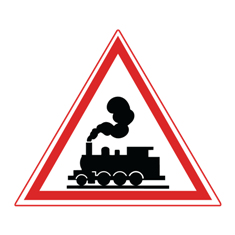
- What Is the Meaning of Railway Crossing?
- Major Diversions in Rawalpindi on 15 February 2026

- Pakistan Driving License Verification – Official Websites

- How to Check E-Challan Online in Punjab (Complete Guide)

- If Someone Does Not Accept E-License, What Should You Do?

- Punjab Driving License Verification: Complete Step-by-Step Guide

- Safe City E-Challaning Begins in Rawalpindi: What Residents Need to Know

- Katchery Chowk Closed, Traffic Updates and Emergency Contact

- Upcoming Mega Project: Katchery Chowk Rawalpindi Redevelopment

- Rawalpindi’s Updated Mobile License Van Schedule

- Is Driving in the USA Easy? A 2025 Guide for Tourists and Newcomers

- CTP Rawalpindi Issues Weekly Schedule for Mobile License Van
- City Traffic Police Rawalpindi Launches Daily Public Hour

- Upcoming Week Mobile License Van Schedule Rawalpindi
- Upcoming Week Mobile License Van Schedule Rawalpindi