Why Does Tire Pressure Go Up When Driving:
Table of Contents
- Introduction
- The Science Behind Tire Pressure
- Friction and Heat Generation
- Impact of Frequent Braking
- Ambient Temperature Changes
- Why Proper Tire Pressure Matters
- Monitoring and Managing Tire Pressure
- Conclusion
- FAQs
Introduction
Have you ever noticed that your tire pressure seems to increase after driving for a while? You might wonder, why does tire pressure go up when driving? This article explores the reasons behind this phenomenon, from the science of heat generation to the impact of external factors like ambient temperature.
The Science Behind Tire Pressure
To understand why does tire pressure go up when driving, it’s essential to grasp the basic science of how tire pressure works. Tire pressure is determined by the amount of air inside the tire, and how much space that air has to move around in.
Key Concepts:
- Air Expansion: As air inside the tire heats up, it expands, leading to increased pressure.
- Volume and Temperature Relationship: According to the ideal gas law, if the volume of a container (in this case, the tire) remains constant, an increase in temperature will result in an increase in pressure.
Friction and Heat Generation
One of the primary reasons why does tire pressure go up when driving is the friction generated between the tires and the road surface.
Frictional Heat:
- Friction as a Heat Source: As you drive, the friction between your tires and the road generates heat. This heat is transferred to the air inside the tires, causing it to expand and increase pressure.
- Longer Drives: The longer you drive, the more heat is generated, leading to a more significant increase in tire pressure.
Impact of Frequent Braking
Frequent braking can also explain why does tire pressure go up when driving. Braking generates additional heat, contributing to the overall increase in tire pressure.
Braking Effects:
- Brake Heat Transfer: When you brake, the friction between the brake pads and the rotors generates heat. This heat can transfer to the tires, especially during frequent or heavy braking.
- Increased Pressure: The added heat from braking further expands the air in the tires, boosting the tire pressure.
Ambient Temperature Changes
Another factor in why does tire pressure go up when driving is the influence of ambient temperature. The temperature outside your vehicle can have a direct impact on your tire pressure.
Temperature Effects:
- Hot Weather: In hot weather, the ambient temperature is already high, and as you drive, this heat is compounded by the friction and braking heat, leading to a noticeable increase in tire pressure.
- Cold Weather: Conversely, in colder temperatures, tire pressure tends to start lower, but it still increases as the tires heat up during driving.
Why Proper Tire Pressure Matters
Understanding why does tire pressure go up when driving is crucial because maintaining the correct tire pressure is essential for safety, fuel efficiency, and tire longevity.
Importance of Proper Pressure:
- Safety Concerns: Over-inflated tires due to increased pressure can lead to a harsher ride, reduced traction, and even the risk of a blowout.
- Fuel Efficiency: Recomended tire pressure help to increase the efficiency of fuel.
- Tire Wear: Maintaining the right tire pressure helps ensure even tire wear, extending the lifespan of your tires.
Monitoring and Managing Tire Pressure
Given why does tire pressure go up when driving, it’s important to regularly monitor and manage your tire pressure to ensure it stays within the recommended range.
Monitoring Tips:
- Check Tire Pressure Regularly: Use a reliable tire pressure gauge to check your tire pressure regularly, especially before long trips.
- Adjust Pressure Accordingly: If you notice a significant increase in pressure after driving, allow the tires to cool down before making adjustments.
- Use TPMS: Many modern vehicles are equipped with Tire Pressure Monitoring Systems (TPMS) that alert you when your tire pressure is too low or too high.
Conclusion
So, why does tire pressure go up when driving? The increase in tire pressure is primarily due to the heat generated by friction, frequent braking, and ambient temperature changes. Understanding these factors can help you better manage your tire pressure, ensuring safer and more efficient driving.

FAQs
Why does tire pressure increase after driving?
Tire pressure increases after driving due to the heat generated by friction between the tires and the road, as well as frequent braking.
How does ambient temperature affect tire pressure?
In hot weather, ambient temperature can cause tire pressure to rise more quickly, while in cold weather, tire pressure may start lower but still increase as you drive.
Is it safe to drive with increased tire pressure?
While a slight increase in tire pressure is normal, excessively high pressure can be dangerous and may lead to a blowout. Monitoring the pressure on regular basis is recomended.
How often should I check my tire pressure?
It’s recommended to check your tire pressure at least once a month and before long trips, as well as when there are significant temperature changes.
What is the required tire pressure?
The ideal tire pressure varies by vehicle and tire type. Check your vehicle’s manual or the sticker inside the driver’s door for the manufacturer-recommended tire pressure.

SignTest.pk
- Electric Bike Price in Pakistan 2026 – Full Price List
- Driving Test MCQs PDF – Punjab Licence Test Guide
- Driving School Rawalpindi | Traffic Police Courses & Fees

- How to Apply for a Driving License in Pakistan 2026 | DLIMS

- Punjab Introduces Juvenile Driving Permit for Young Riders

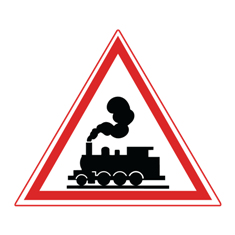
- What Is the Meaning of Railway Crossing?
- Major Diversions in Rawalpindi on 15 February 2026

- Pakistan Driving License Verification – Official Websites

- How to Check E-Challan Online in Punjab (Complete Guide)

- If Someone Does Not Accept E-License, What Should You Do?

- Punjab Driving License Verification: Complete Step-by-Step Guide

- Safe City E-Challaning Begins in Rawalpindi: What Residents Need to Know

- Katchery Chowk Closed, Traffic Updates and Emergency Contact

- Upcoming Mega Project: Katchery Chowk Rawalpindi Redevelopment

- Rawalpindi’s Updated Mobile License Van Schedule

- Is Driving in the USA Easy? A 2025 Guide for Tourists and Newcomers

- CTP Rawalpindi Issues Weekly Schedule for Mobile License Van
- City Traffic Police Rawalpindi Launches Daily Public Hour

- Upcoming Week Mobile License Van Schedule Rawalpindi
- Upcoming Week Mobile License Van Schedule Rawalpindi