Is It OK to Tailgate:
Table of Contents
- Introduction
- Understanding Tailgating
- Why Tailgating Is Dangerous
- Legal Implications of Tailgating
- The Psychology Behind Tailgating
- How to Avoid Tailgating
- What to Do If You’re Being Tailgated
- Conclusion
- FAQs
Introduction
Many drivers wonder, is it OK to tailgate? Whether out of impatience or a belief that it will encourage the car ahead to move faster, tailgating is a common but dangerous driving habit. This article explores the dangers, legal aspects, and alternatives to tailgating, emphasizing why it’s never a good idea.
Understanding Tailgating
To address the question, is it OK to tailgate, it’s important to understand what tailgating is. Tailgating occurs when a driver follows another vehicle too closely, leaving little room for the leading vehicle to stop suddenly without causing a collision.
What Is Tailgating?
- Definition: Tailgating refers to driving too closely behind another vehicle, typically with less than the recommended two-second following distance.
- Common Reasons: Drivers may tailgate due to impatience, frustration, or a mistaken belief that it will force the vehicle in front to speed up.
Why Tailgating Is Dangerous
When asking, is it OK to tailgate, consider the significant dangers associated with this behavior.
Dangers of Tailgating:
- Reduced Reaction Time: The closer you are to the vehicle in front, the less time you have to react if it stops suddenly.
- Increased Risk of Collision: Tailgating greatly increases the likelihood of a rear-end collision, which can result in significant damage and injury.
- Unexpected Situations: If the vehicle ahead changes lanes or encounters an obstacle, tailgating drivers may not have time to adjust, leading to accidents.
Legal Implications of Tailgating
Is it OK to tailgate from a legal perspective? The answer is a resounding no. Tailgating is illegal in many jurisdictions because it is considered reckless driving.
Legal Consequences:
- Traffic Violations: Tailgating can lead to fines, points on your driving record, and even license suspension in some cases.
- Liability in Accidents: In the event of a collision, the tailgating driver is often found at fault, leading to potential legal and financial consequences.
The Psychology Behind Tailgating
Understanding is it OK to tailgate also involves exploring the psychology behind why people do it.
Psychological Factors:
- Impatience: Drivers often tailgate because they are frustrated with the speed of the car in front and want them to move faster.
- Aggression: Tailgating can be a form of aggressive driving, where the driver uses their vehicle to pressure others.
- Misjudgment: Some drivers may not realize how close they are or may underestimate the danger of following too closely.
How to Avoid Tailgating
If you’re questioning is it OK to tailgate, it’s clear that avoiding this behavior is crucial for safe driving.
Tips to Avoid Tailgating:
- Maintain a Safe Distance: Always keep at least a two-second gap between your car and the vehicle in front. Adjust your distance accoridng to the road conditions increase it if the situation is wrost.
- Stay Calm: If you find yourself getting frustrated, take a deep breath and remind yourself that tailgating won’t get you to your destination any faster.
- Use Cruise Control: On highways, cruise control can help you maintain a consistent speed and distance from the car ahead.
What to Do If You’re Being Tailgated
On the flip side of is it OK to tailgate is what to do if you’re the one being tailgated.
Defensive Driving Tips:
- Stay Calm: Avoid escalating the situation by speeding up or braking suddenly.
- Move Over: If it’s safe to do so, change lanes and let the tailgating vehicle pass.
- Signal Early: Make your intentions clear by signaling well in advance of any lane changes or turns.
Conclusion
So, is it OK to tailgate? Absolutely not. Tailgating is a dangerous and illegal driving habit that puts everyone on the road at risk. By maintaining a safe following distance, staying calm, and practicing defensive driving, you can avoid the dangers of tailgating and contribute to safer roads for everyone.

FAQs
Is tailgating illegal?
Yes, tailgating is illegal in many places and is considered a form of reckless driving.
What is the safe following distance to avoid tailgating?
A safe following distance is at least two seconds behind the vehicle in front of you, more in poor weather conditions.
What should I do if someone is tailgating me?
Stay calm, avoid sudden movements, and move over to let the tailgater pass if it’s safe to do so.
Why do people tailgate?
People tailgate for various reasons, including impatience, frustration, aggression, or misjudgment of the safe following distance.
Can tailgating lead to accidents?
Yes, tailgating significantly increases the risk of rear-end collisions, which can result in serious accidents and injuries.

SignTest.pk
- Honda 125 Price in Pakistan 2026 – Rs. 238,500 Verified

- Electric Bike Price in Pakistan 2026 – Full Price List

- Driving Test MCQs PDF – Punjab Licence Test Guide
- Driving School Rawalpindi | Traffic Police Courses & Fees

- How to Apply for a Driving License in Pakistan 2026 | DLIMS

- Punjab Introduces Juvenile Driving Permit for Young Riders

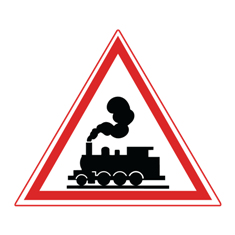
- What Is the Meaning of Railway Crossing?
- Major Diversions in Rawalpindi on 15 February 2026

- Pakistan Driving License Verification – Official Websites

- How to Check E-Challan Online in Punjab (Complete Guide)

- If Someone Does Not Accept E-License, What Should You Do?

- Punjab Driving License Verification: Complete Step-by-Step Guide

- Safe City E-Challaning Begins in Rawalpindi: What Residents Need to Know

- Katchery Chowk Closed, Traffic Updates and Emergency Contact

- Upcoming Mega Project: Katchery Chowk Rawalpindi Redevelopment

- Rawalpindi’s Updated Mobile License Van Schedule

- Is Driving in the USA Easy? A 2025 Guide for Tourists and Newcomers

- CTP Rawalpindi Issues Weekly Schedule for Mobile License Van
- City Traffic Police Rawalpindi Launches Daily Public Hour

- Upcoming Week Mobile License Van Schedule Rawalpindi