
Complete Guide for Drivers and Road Safety
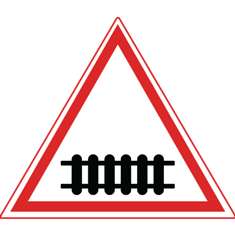
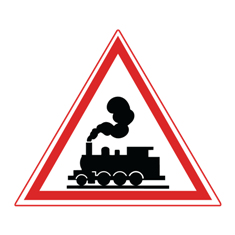
Table of Contents
- What Is the Meaning of Railway Crossing?
- Why Railway Crossings Are Important
- Types of Railway Crossings
- How Railway Crossing Signals Work
- Railway Crossing Rules Every Driver Must Know
- Common Causes of Railway Crossing Accidents
- Railway Crossing Safety Tips
- Importance of Railway Crossing Awareness for Insurance and Legal Safety
- Frequently Asked Questions (FAQs)
Download Drivng Test Application

What Is the Meaning of Railway Crossing?
A railway crossing is a place where a railway track intersects with a road or street used by vehicles and pedestrians. It is designed to allow trains and road traffic to cross the same path safely.
In many areas, railway crossings include:
- Warning lights
- Safety barriers or gates
- Alarm bells
- Traffic control systems
- Railway crossing signs
When a train is approaching, barriers may close the road temporarily to stop vehicles and pedestrians from crossing until the train passes.
Railway crossings are an essential part of modern transportation infrastructure and play a major role in road safety, traffic management, and public transportation systems.
Why Railway Crossings Are Important
Railway crossings help maintain safe movement between:
- Passenger trains
- Freight trains
- Commercial vehicles
- Public transport
- Private cars and motorcycles
Without proper railway crossing systems, the risk of accidents, vehicle damage, injuries, and insurance claims would increase significantly.
Governments and traffic authorities invest heavily in:
- Railway safety systems
- Smart traffic monitoring
- Barrier technology
- CCTV surveillance
- Public awareness campaigns
These improvements help reduce train-related road accidents.
Types of Railway Crossings
Railway crossings are generally divided into two major categories.
1. Guarded Railway Crossing
A guarded railway crossing has:
- Security staff or gatekeepers
- Automatic or manual barriers
- Warning alarms and signals
These crossings are considered safer because traffic is actively controlled when trains approach.
2. Unguarded Railway Crossing
An unguarded railway crossing does not have barriers or gatekeepers.
Drivers must rely on:
- Warning signs
- Visual checks
- Hearing train horns
Unguarded crossings are more dangerous and require extra caution.
How Railway Crossing Signals Work
Modern railway crossings use advanced traffic and railway safety technology.
Common signals include:
Flashing Red Lights
These lights warn drivers that a train is approaching.
Railway Barriers
Automatic gates close the road to prevent vehicles from crossing.
Audible Alarms
Loud warning sounds alert drivers and pedestrians.
Railway Crossing Signs
Signs indicate drivers should slow down and remain alert.
Ignoring these signals can lead to:
- Severe accidents
- Vehicle insurance complications
- Traffic fines
- Legal penalties
Railway Crossing Rules Every Driver Must Know
Following railway crossing laws is essential for safe driving.
Stop When Signals Activate
Never attempt to cross when warning lights flash or barriers close.
Avoid Overtaking Near Crossings
Overtaking vehicles near railway tracks is extremely risky.
Look Both Ways
Even at open crossings, drivers should always check both directions carefully.
Never Stop on Railway Tracks
Traffic congestion can trap vehicles on tracks and cause deadly accidents.
Follow Traffic Police Instructions
Traffic officers may manage crossings during emergencies or technical failures.
These rules are important for both personal safety and legal compliance.
Common Causes of Railway Crossing Accidents
Many railway crossing accidents occur due to human error.
Common Reasons Include:
- Ignoring warning signals
- Speeding near crossings
- Distracted driving
- Attempting to beat the train
- Poor visibility during fog or rain
- Mechanical brake failure
Commercial vehicle drivers and public transport operators must exercise additional caution.
Railway Crossing Safety Tips
To stay safe near railway tracks:
- Reduce speed while approaching crossings
- Turn down loud music to hear alarms
- Maintain safe braking distance
- Avoid mobile phone usage while driving
- Keep children and pedestrians away from tracks
- Follow all railway crossing signs and road markings
Defensive driving practices can save lives.
Importance of Railway Crossing Awareness for Insurance and Legal Safety
Railway crossing violations can affect:
- Car insurance claims
- Commercial vehicle permits
- Driving license records
- Legal liability after accidents
Insurance companies may reject claims if negligence is proven during railway crossing accidents.
Professional drivers, transport companies, and logistics operators should regularly train drivers on railway crossing safety rules.
This is especially important for:
- Commercial truck drivers
- Public transport operators
- Delivery vehicle services
- Ride-hailing drivers
Frequently Asked Questions (FAQs)
What is the simple definition of railway crossing?
A railway crossing is a point where a road crosses railway tracks.
Why do railway crossings have barriers?
Barriers stop vehicles and pedestrians from crossing when trains are approaching.
Are all railway crossings guarded?
No. Some crossings are guarded while others are unguarded.
What should drivers do at a railway crossing?
Drivers should slow down, observe signals, and stop when warning systems activate.
Why are railway crossing rules important?
They help prevent accidents, injuries, and legal or insurance issues.
Final Thoughts
Understanding the meaning of railway crossing is important for every driver, pedestrian, and commuter. Railway crossings are critical safety zones where road and rail transport intersect.
By following traffic rules, respecting railway signals, and staying alert, drivers can avoid accidents and ensure safer roads for everyone.
Road safety begins with awareness—and railway crossing awareness can save lives.