
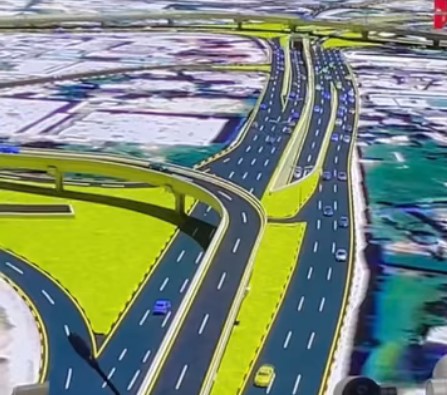
Katchery Chowk Rawalpindi:
Table of Contents
- Overview of the Katchery Chowk Project
- Why This Project Is Important
- Project Scope and Features
- Underpass and Traffic Flow Design
- Pedestrian Safety and Urban Planning
- Integration with Other City Infrastructure
- Timeline and Development Phases
- Impact on Daily Commuters
- Economic and Urban Benefits
- Challenges and Considerations
- Frequently Asked Questions (FAQs)

Overview of the Katchery Chowk Project
The Katchery Chowk redevelopment project is one of Rawalpindi’s most anticipated urban infrastructure ventures. As a central junction connecting multiple key routes including The Mall, Jhelum Road, and Old Airport Road, Katchery Chowk faces severe traffic congestion daily. This multi-billion-rupee project aims to overhaul the intersection with modern design and better capacity.
Why This Project Is Important
Katchery Chowk is a strategic node in Rawalpindi’s traffic network. It links major commercial, judicial, and military zones. Thousands of vehicles pass through it each day, leading to frequent bottlenecks and delays. Upgrading this junction will:
- Ease traffic congestion
- Improve commuter experience
- Boost regional connectivity
Project Scope and Features
Underpasses, Overheads and Traffic Flow Design
The key feature of the project is a state-of-the-art 3 underpasses and 2 overheads (approx) designed to allow uninterrupted flow for vehicles traveling from The Mall to Airport Road. Additional slip roads and U-turns are being planned to ease lateral movements.
Pedestrian Safety and Urban Planning
Designs incorporate pedestrian bridges and designated walkways to ensure safety and smoother mobility. Landscaping and modern lighting are expected to improve the area’s aesthetics.
Integration with Other City Infrastructure
The redevelopment aligns with Rawalpindi’s broader urban plan, connecting with nearby mega projects like the Ammar Shaheed Chowk underpass and the Ring Road corridor.
Timeline and Development Phases
- Phase 1: Demolition and utility relocation (Completed)
- Phase 2: Construction of underpass and slip roads (In progress)
- Phase 3: Final paving, landscaping, and smart traffic management systems (Expected completion by mid-2026)
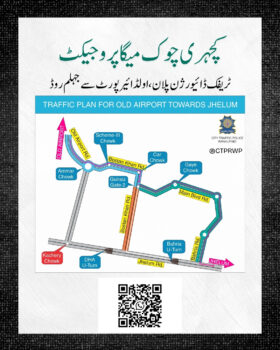
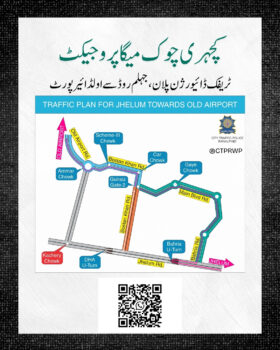
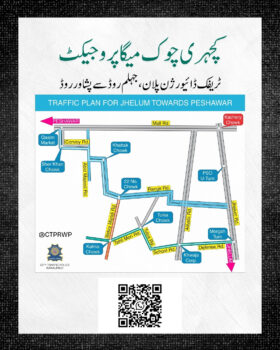
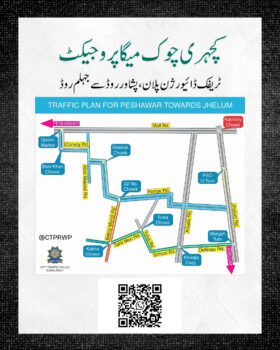
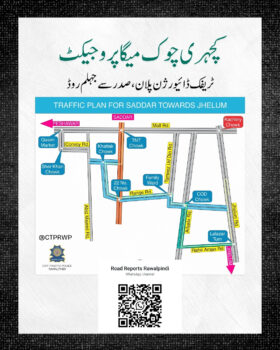
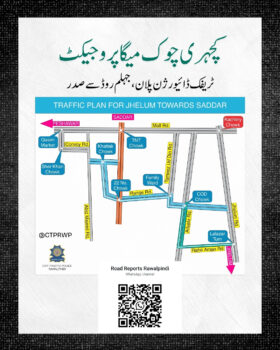
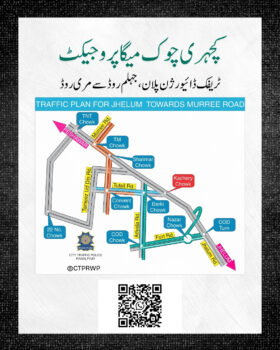
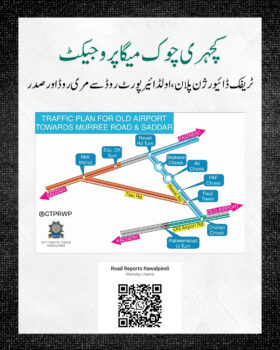
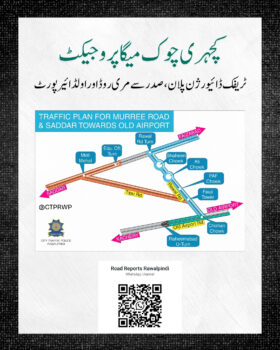
ؐMaps for Traffic
Impact on Daily Commuters
While temporary diversions and congestion are expected during construction, the long-term benefits include:
- Reduced travel time
- Safer crossings for pedestrians
- More efficient public and private transport flow
Economic and Urban Benefits
- Boost for local businesses due to improved access
- Increased property values in nearby areas
- Enhanced appeal for investors and developers
Challenges and Considerations
- Traffic management during construction
- Utility shifting delays
- Budget oversight and transparency
- Environmental impact assessments
Frequently Asked Questions (FAQs)
When will the Katchery Chowk project be completed?
The project is slated for completion by mid-2026 (Approx), barring major delays.
Will the underpass be open during construction?
Sections may open in phases, but complete functionality is expected post-final phase.
How will the project impact local businesses?
Short-term disruptions may occur, but long-term improvements in accessibility are expected to boost business.
The Katchery Chowk Rawalpindi mega project marks a significant step in reshaping urban mobility in one of Pakistan’s busiest cities. Once completed, it promises smoother transit, modern infrastructure, and a new look for a historic intersection.
Download Driving Test Application
