5 Important Reasons to Follow “No Parking” Driving Signs and Their Meanings
Table of Contents
- Introduction to “No Parking” driving signs and their meanings
- Understanding the Purpose of the “No Parking” Sign
- Common Locations for the “No Parking” Sign
- 5 Important Reasons to Follow “No Parking” driving signs and their meanings
- 4.1 Preventing Traffic Obstruction
- 4.2 Avoiding Fines and Penalties
- 4.3 Ensuring Emergency Access
- 4.4 Maintaining Public Safety
- 4.5 Supporting Smooth Traffic Flow
5. Conclusion
6. FAQs
1. Introduction to “No Parking” driving signs and their meanings
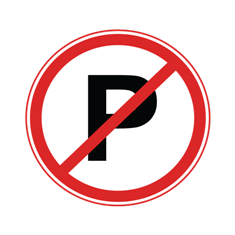
driving signs and their meanings are essential components of road safety and traffic management. Among these, the “No Parking” sign is particularly important as it informs drivers where parking is not allowed. This article explores the significance of the “No Parking” sign and provides key reasons why following it is crucial for both drivers and the community.
2. Understanding the Purpose of the “No Parking” Sign
The “No Parking” sign is designed to prevent vehicles from being parked in areas where doing so could obstruct traffic, pose a safety hazard, or hinder access for emergency services. By clearly marking these areas, the sign helps to ensure that roads remain clear and accessible for all users, including pedestrians, cyclists, and emergency vehicles.
3. Common Locations for the “No Parking” Sign
You will commonly find the “No Parking” sign in various locations, including:
- Busy Urban Areas: In cities, these signs are often placed along streets where parking would cause congestion or block access to businesses.
- Near Intersections: To ensure clear visibility and safe turns, “No Parking” signs are often posted near intersections.
- Emergency Zones: Areas near fire hydrants, hospitals, and other critical services are typically marked with “No Parking” signs to ensure access for emergency vehicles.
- Loading Zones: These signs are placed in loading areas to reserve space for delivery vehicles, preventing regular cars from occupying these spots.
4. 5 Important Reasons to Follow “No Parking” driving signs and their meanings
4.1 Preventing Traffic Obstruction
One of the primary reasons for adhering to “No Parking” signs is to prevent traffic obstruction. When vehicles are parked in areas where they shouldn’t be, it can lead to congestion, delays, and even accidents. By following the sign, drivers help maintain smooth traffic flow, especially in busy urban areas.
4.2 Avoiding Fines and Penalties
Ignoring a “No Parking” sign can result in fines, penalties, or even towing. Parking enforcement officers regularly patrol areas where these signs are posted, and violations can be costly. To avoid unnecessary expenses, it’s crucial to always respect “No Parking” zones.
4.3 Ensuring Emergency Access
“No Parking” signs are often placed in areas where emergency access is critical. For example, parking in front of a fire hydrant or blocking an emergency exit can prevent first responders from doing their jobs effectively. Adhering to these signs ensures that emergency services can reach their destinations without delay, potentially saving lives.
4.4 Maintaining Public Safety
Parking in unauthorized areas can pose significant safety risks. For instance, vehicles parked too close to intersections or pedestrian crossings can obstruct the view of drivers, increasing the likelihood of accidents. “No Parking” signs are strategically placed to prevent such hazards, making it essential to follow them for the safety of all road users.
4.5 Supporting Smooth Traffic Flow
By following “No Parking” signs, drivers contribute to the overall efficiency of road networks. These signs help to ensure that parking is done in an organized manner, reducing the chances of bottlenecks and improving the overall traffic flow. In busy areas, this can make a significant difference in reducing travel times and preventing frustration among drivers.
5. Conclusion
Understanding driving signs and their meanings, especially the “No Parking” sign, is vital for responsible driving. These signs are more than just guidelines; they are crucial tools for maintaining order, safety, and efficiency on the roads. By preventing traffic obstruction, avoiding fines, ensuring emergency access, maintaining public safety, and supporting smooth traffic flow, drivers can help create a safer and more organized driving environment.
FAQs
Q1: What should I do if I need to stop in a “No Parking” zone temporarily?
A: It’s best to avoid stopping in a “No Parking” zone. If you must stop briefly, ensure that you do not leave your vehicle unattended and move it as quickly as possible.
Q2: Are “No Parking” signs always enforced, even during off-peak hours?
A: Yes, “No Parking” signs are typically enforced 24/7, regardless of traffic conditions. Always assume the rule applies unless stated otherwise.
Q3: Can my car be towed if I park in a “No Parking” zone?
A: Yes, vehicles parked in “No Parking” zones can be towed, especially if they are causing an obstruction or pose a safety risk.
