“Speed Limit 50 km/h” Driving Signs and Their Meanings:
Table of Contents
- Introduction to “Speed Limit 50 km/h” driving signs and their meanings
- Understanding the Purpose of Speed Limit Signs
- The Importance of Adhering to the 50 km/h Speed Limit
- 6 Common Mistakes Drivers Make with “Speed Limit 50 km/h” driving signs and their meanings
- 4.1 Underestimating the Importance of Speed Limits
- 4.2 Ignoring the Sign in Low Traffic Areas
- 4.3 Misjudging the Transition Between Speed Zones
- 4.4 Overconfidence in Familiar Areas
- 4.5 Misinterpreting the Sign’s Visibility or Placement
- 4.6 Failing to Adjust Speed for Road Conditions
5. Conclusion
6. FAQs
1. Introduction to “Speed Limit 50 km/h” driving signs and their meanings
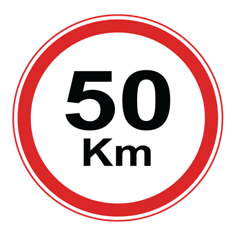
driving signs and their meanings are fundamental to road safety, guiding drivers on how to navigate roads safely and responsibly. One of the most crucial signs you’ll encounter on the road is the “Speed Limit 50 km/h” sign. This sign indicates the maximum speed at which vehicles are allowed to travel, ensuring that traffic flows smoothly while minimizing the risk of accidents.
2. Understanding the Purpose of Speed Limit Signs
Speed limit signs serve as a regulatory measure designed to control the flow of traffic. By setting a maximum speed, these signs help reduce the likelihood of accidents, particularly in areas where higher speeds could lead to dangerous situations. The “Speed Limit 50 km/h” sign is often found in residential areas, school zones, or roads with higher pedestrian activity, where controlling speed is essential for safety.
3. The Importance of Adhering to the 50 km/h Speed Limit
Adhering to the 50 km/h speed limit is crucial for several reasons. Firstly, it ensures the safety of all road users, including drivers, passengers, pedestrians, and cyclists. Secondly, it helps prevent accidents by allowing drivers more time to react to unexpected situations. Lastly, following the speed limit helps maintain order on the roads, reducing the likelihood of traffic congestion and promoting a smoother flow of vehicles.
4. 6 Common Mistakes Drivers Make with “Speed Limit 50 km/h” driving signs and their meanings
4.1 Underestimating the Importance of Speed Limits
One of the most common mistakes drivers make is underestimating the importance of speed limits. Some drivers view speed limits as suggestions rather than strict rules, leading to dangerous driving behaviors. It’s important to remember that speed limits are set based on thorough assessments of road conditions, traffic patterns, and safety concerns.
4.2 Ignoring the Sign in Low Traffic Areas
Another mistake is ignoring the “Speed Limit 50 km/h” sign in areas with low traffic. Some drivers believe that when there are few vehicles on the road, it’s safe to exceed the speed limit. However, speed limits are not just about traffic volume; they also take into account factors like road quality, visibility, and potential hazards, which remain constant regardless of traffic levels.
4.3 Misjudging the Transition Between Speed Zones
Drivers often misjudge the transition between different speed zones, particularly when moving from a higher speed area to a lower one. Failing to slow down in time for a 50 km/h zone can lead to sudden braking, which can be dangerous, especially if other vehicles are following closely.
4.4 Overconfidence in Familiar Areas
Overconfidence in familiar areas is another common issue. Drivers who frequently travel the same route may become complacent, thinking they know the road well enough to ignore speed limits. This overconfidence can lead to speeding, particularly in areas where the speed limit drops to 50 km/h due to changes in road conditions or increased pedestrian activity.
4.5 Misinterpreting the Sign’s Visibility or Placement
Some drivers misinterpret the visibility or placement of speed limit signs. For example, if a sign is partially obscured by foliage or positioned at an angle that makes it hard to see, drivers may overlook it entirely. It’s important to stay vigilant and always look out for speed limit signs, regardless of their placement or visibility.
4.6 Failing to Adjust Speed for Road Conditions
Finally, failing to adjust speed for road conditions is a significant mistake. Even when the speed limit is set at 50 km/h, drivers should reduce their speed in adverse weather conditions, such as rain, fog, or snow, where road surfaces become slippery and visibility is reduced. Adhering strictly to the speed limit without considering these factors can be just as dangerous as speeding.
5. Conclusion
Understanding driving signs and their meanings, especially the “Speed Limit 50 km/h” sign, is essential for safe driving. These signs are in place to protect everyone on the road by ensuring that vehicles travel at a safe speed. By avoiding common mistakes such as underestimating the importance of speed limits, ignoring signs in low traffic areas, misjudging speed zone transitions, overconfidence, misinterpreting sign placement, and failing to adjust speed for road conditions, drivers can contribute to safer roads for all.
FAQs
Q1: Can I exceed the 50 km/h speed limit if I’m in a hurry?
A: No, speed limits are legally enforced, and exceeding them can lead to fines or more severe consequences, especially if it causes an accident.
Q2: How can I be sure I’m following the speed limit when road signs are hard to see?
A: Always stay vigilant and aware of your surroundings. If you’re unsure, it’s safer to reduce your speed until you can confirm the limit.
Q3: Are there exceptions to the 50 km/h speed limit in certain conditions?
A: The speed limit applies under normal driving conditions. In adverse weather or heavy traffic, you should drive slower to ensure safety.
